
3D signage is signage made with letters, logos or graphic elements that have physical depth rather than sitting completely flat against a surface. Raised lettering, dimensional logos and built-up shapes create shadow, texture and a stronger visual presence, helping signs stand out from flat printed graphics.
Businesses use 3D signage in reception areas, offices, retail environments, shopfronts and exterior locations because it can combine practical identification with strong visual branding.
3D signage, also known as dimensional signage, uses raised letters, logos or shapes that project outward from the surface on which they are mounted.
Unlike flat signs, where the design is printed or applied to a two-dimensional panel, dimensional signs have genuine physical depth. Depending on the design, that depth may come from individual acrylic letters, metal lettering, built-up sign elements, layered materials or stand-off mounting.
The three-dimensional effect changes how the sign interacts with light. Even a simple non-illuminated sign can create natural highlights and shadows throughout the day, giving the design more visual impact when viewed from different directions.
3D signage can be used for a business name, company logo, reception feature, directional signage or exterior building identification.
The main difference is physical depth.
Flat signage generally places graphics, lettering or printed artwork directly onto a flat surface. 3D signage uses raised elements that stand away from the background.
Flat signage | 3D signage |
|---|---|
Design sits flat against the surface | Letters or graphics have physical depth |
Often printed or vinyl-applied | Often cut, fabricated or built up |
Limited natural shadow | Creates real highlights and shadows |
Usually strongest when viewed directly from the front | Maintains visual interest from different viewing directions |
Lighting is normally separate | Can incorporate halo, face or back lighting |
Often used for temporary or straightforward information | Commonly used for permanent branding and identification |
Neither format is automatically better.
Flat printed signs can be extremely effective for temporary signage, detailed graphics, promotional messages and information-heavy designs.
3D signage is particularly useful when a business wants a more substantial, architectural or premium appearance.
The term 3D signage covers several different construction methods.
3D sign letters are individual letters manufactured with physical depth rather than printed onto a flat panel.
They can be produced from acrylic, metal, PVC, foam or other suitable materials and mounted directly to a surface or installed using stand-off fixings.
3D sign letters are commonly used for company names, office reception walls, shopfronts and exterior building identification. Depending on the design, they can remain non-illuminated or form part of illuminated signage using halo lighting, face lighting or LED backlighting.
Material choice affects the appearance, weight and durability of finished 3D sign letters, so indoor and exterior applications may require different specifications.
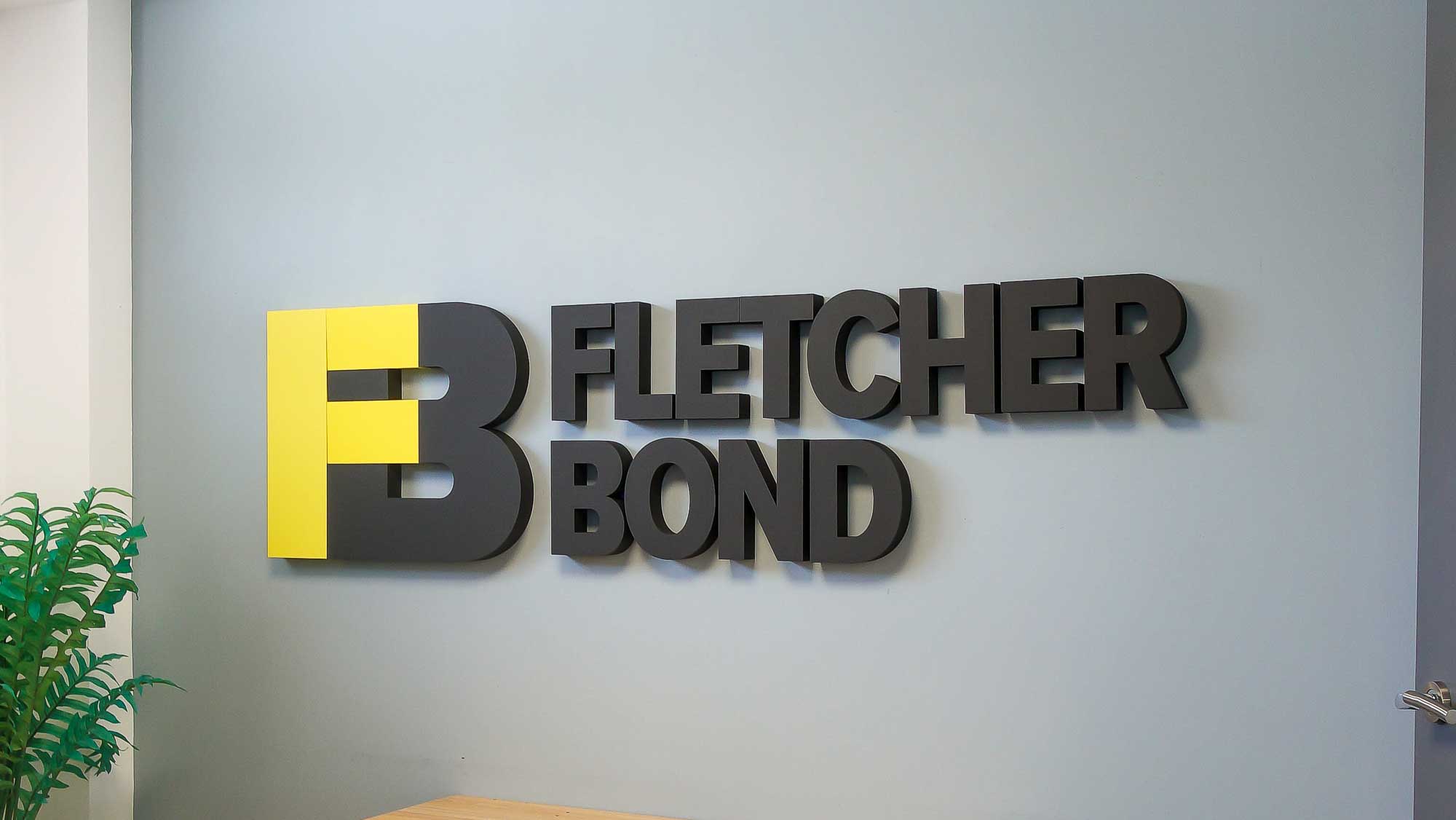
Individual acrylic letters or logos are cut from sheet material and fixed directly to a wall or mounted slightly away from it.
Acrylic gives a clean, smooth finish and is available in many colours, thicknesses and finishes. It works particularly well for modern interiors, office reception walls and branded office spaces.
If acrylic is the look you are considering, our acrylic signs page shows the type of custom acrylic signage available for business branding.
A company logo can be recreated using individually cut letters, shapes or layered elements.
The different components may use one material or a combination of finishes to reproduce the brand identity accurately.
For businesses looking specifically for signage made from their own artwork or branding, our custom 3D logo signs page covers the available commercial options.
Built-up letters have greater depth than standard flat-cut lettering.
Instead of simply cutting a letter from sheet material, the face and sides can be fabricated to create a hollow three-dimensional form.
This construction is particularly common where larger lettering, stronger depth or integrated illumination is required.
Aluminium, stainless steel and other metals can be used to create durable dimensional lettering with a professional appearance.
Metal letters can have polished, brushed, painted or coated finishes depending on the environment and visual style required.
Brushed metal works particularly well in corporate offices, professional services and front-of-house spaces where a restrained premium appearance is desirable.
Foam and lightweight PVC can be used for dimensional lettering where low weight and cost are important.
PVC and foam can be cost-effective options for suitable indoor displays where low weight is more important than exterior-grade durability.
These materials are often associated with interior displays, exhibitions, temporary installations and environments where the sign does not need the same durability as exterior metal or acrylic signage.
Lighting can be incorporated into dimensional letters and logos.
Common approaches include halo lighting, backlighting and face illumination.
Modern illuminated signage commonly uses energy-efficient LED lighting because it can provide bright, consistent illumination while keeping the overall sign relatively compact.
The choice of material affects the sign’s appearance, weight, durability, installation method and suitability for indoor or outdoor use.
Acrylic is one of the most common materials used for dimensional signage.
It offers:
a smooth, polished appearance
strong colour options
accurate laser or machine cutting
relatively low weight
suitability for logos and detailed lettering
good compatibility with layered designs
Painted acrylic can also be used where a particular brand colour or surface finish is required.
Aluminium is lightweight compared with many other metals while still providing good durability.
It is commonly used for exterior signs, dimensional lettering and fabricated sign components.
Its surface can be painted, powder-coated or finished to create a clean modern appearance.
Stainless steel offers a more substantial metal finish and can be particularly effective where durability and a premium appearance are priorities.
Brushed stainless steel letters are popular in corporate headquarters, offices and commercial interiors.
Suitability outdoors depends on the grade, finish, location and exposure conditions.
PVC is lightweight and cost-effective, particularly for indoor applications.
It can be cut into letters and shapes and finished in different colours.
For many interior projects it provides a practical way of producing raised lettering without the weight of metal.
Foam letters are extremely lightweight.
They are generally best suited to indoor displays, exhibitions, events and temporary signage rather than demanding outdoor environments.
They can create significant depth without placing much load on the fixing surface.
Wood can also be used for dimensional signage where a warmer or more natural appearance is desired.
Different woods, stains and painted finishes can create very different visual effects, although indoor and outdoor suitability depends heavily on the material and protective finish selected.
Physical depth immediately changes the appearance of a sign.
Raised lettering creates real shadow rather than trying to simulate depth graphically. This can make the sign more visually appealing and help it attract attention.
Dimensional signs can remain noticeable from different viewing directions because their shape interacts with surrounding light.
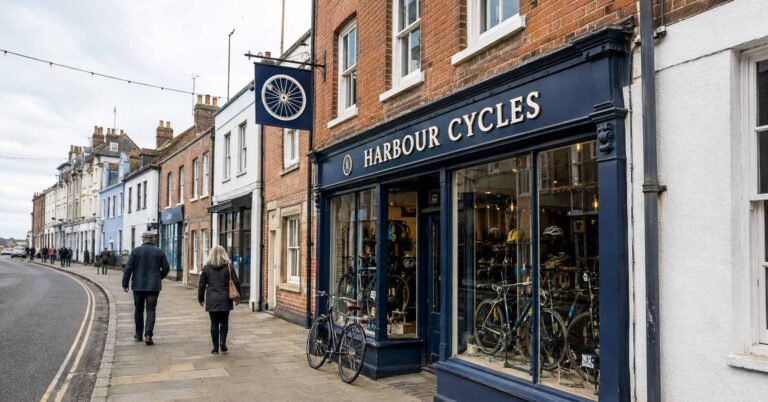
Exterior building facades often use mounted 3D signage as the primary business identifier for this reason.
Illumination can improve visibility further where a sign needs to remain noticeable in lower-light conditions.
A carefully made dimensional sign can make an office lobby, entrance or shopfront feel more established and considered.
The material and finish can be matched to the character of the business, whether that means colourful acrylic, brushed metal, painted lettering or illuminated elements.
Displaying a company logo consistently across digital and physical environments helps reinforce brand identity and brand recognition.
A well-designed 3D sign can create a lasting impression while giving customers a memorable physical expression of the brand.
The combination of real depth, carefully selected finishes and a professional appearance can help signage reflect a brand’s personality rather than simply display its business name.
3D signage is not restricted to basic lettering.
Designs can combine:
text
logos
symbols
multiple materials
different depths
lighting
layered graphics
contrasting finishes
This allows a sign to complement the character of the business and its surroundings.
Dimensional signage works particularly well with illumination because the physical depth provides space for lighting components and creates interesting light effects.
Halo-lit signs are a good example.
Light is emitted behind the raised elements and reflected against the wall, producing a soft glow around the edges.
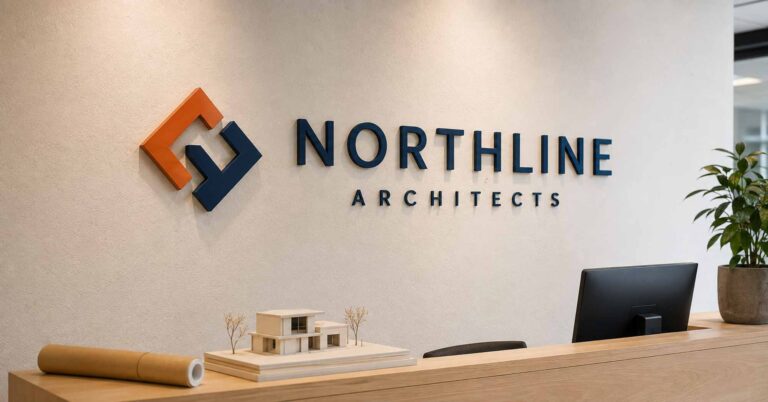
Office reception walls are one of the most common locations for dimensional branding.
The sign can create a professional backdrop behind a reception desk and reinforce the company’s identity as soon as visitors enter.
If your project is specifically for a workplace entrance or reception, our office logo signs page covers the commercial options in more detail.
3D signage can be used throughout an office space for:
company logos
department names
meeting room identification
directional signage
brand statements
wall branding
Beyond the main reception wall, 3D elements can support interior branding throughout an office space, helping create a consistent visual identity across meeting rooms, corridors and shared areas.
In larger corporate offices, dimensional elements can also be incorporated into wayfinding systems.
Retail businesses use 3D signage both inside and outside stores.
Exterior letters can identify the business from a distance, while dimensional graphics inside the shop can highlight product zones, brand messages or key areas.
In a busy retail environment or shopping centre, dimensional signage can help capture attention and improve a brand’s visibility amongst surrounding visual information.
A prominent exterior sign can also make the premises easier for passing foot traffic to identify.
Dimensional letters can be mounted directly onto building facades or onto supporting panels.
For outdoor signage, material choice and installation become particularly important because the sign may be exposed to rain, temperature changes, sunlight and wind.
Our outdoor signs page covers dedicated exterior signage where weather resistance is a primary requirement.
Restaurants, hotels, bars and leisure businesses can use dimensional signage for:
entrance branding
lobby displays
directional information
room identification
decorative brand features
Lightweight 3D lettering can also be used at trade shows, exhibitions and events.
Foam letters and dimensional logos are useful for exhibition stands and photo backdrops because they can create striking visual impact without requiring heavy permanent construction.
Yes, but not every type of 3D sign is suitable for every outdoor environment.
The material, finish, construction and fixing method all need to be appropriate for the location.
Exterior signage may be exposed to:
rain
UV light
wind
temperature changes
pollution
coastal conditions
repeated expansion and contraction
For exposed locations, choosing durable materials and suitable finishes is particularly important.
Aluminium, stainless steel and suitable exterior-grade acrylic can provide strong durability when correctly specified for the environment.
In areas exposed to harsh weather, the fixing system and finish are just as important as the sign material itself.
Foam lettering and some interior-grade materials are generally better kept inside.
Outdoor signs also need suitable mechanical fixings or mounting systems rather than relying on an installation method intended only for interior walls.
Yes. Illumination is commonly combined with dimensional signage.
Halo-lit letters project away from the wall.
LED lighting positioned behind the letters shines backwards onto the mounting surface, producing a soft halo around each character.
This can create a sophisticated appearance without exposing the light source directly.
Backlit signs use lighting behind the dimensional elements to improve visibility and create contrast against the wall.
LED backlighting is particularly effective where light needs to reflect around raised lettering or logo elements.
The exact effect depends on the construction of the letters and the distance between the sign and the background.
Some built-up letters incorporate illuminated faces.
These are especially useful where the sign needs strong visibility from a greater distance or at night.
Any illuminated installation also needs proper consideration of electrical connections, cable routing, maintenance access and the suitability of the lighting system for the environment.
The manufacturing process varies with the design and material, but most projects follow several broad stages.
The company logo or lettering is prepared as suitable vector artwork.
The design needs to be checked for proportions, spacing and whether very small details can be reproduced successfully.
The material is chosen according to:
indoor or outdoor use
required depth
brand colours
finish
weight
lighting
installation surface
budget
Flat-cut letters may be produced using CNC routing or laser cutting depending on the material.
Built-up lettering requires additional fabrication to create the face and return sections that form the depth of each letter.
Components may be polished, painted, powder-coated, laminated or otherwise finished to create the required appearance.
Where the sign is illuminated, LED components and wiring are incorporated into the design.
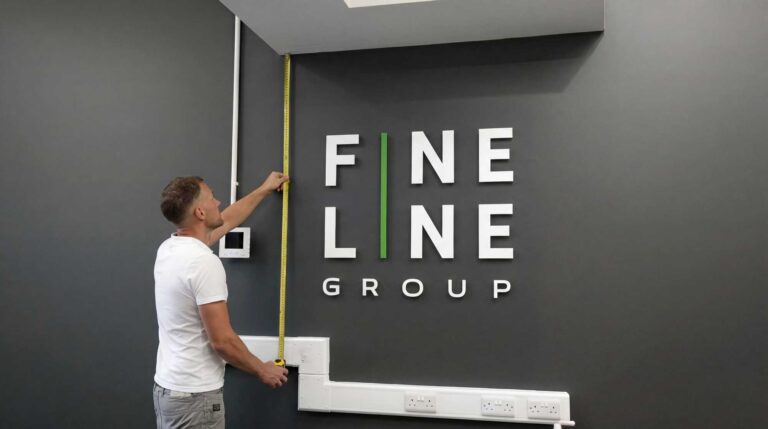
Templates, locators or other positioning methods can be prepared so that individual elements are aligned correctly during installation.
The correct installation method depends on the sign and the surface.
Letters can sometimes be installed close to the wall using appropriate adhesives or concealed fixings.
This creates a clean appearance with minimal space between the sign and its background.
Stand-off fixings position letters slightly away from the wall.
The resulting shadow gap increases the feeling of depth and can make the lettering appear more three-dimensional.
Stand-offs are also particularly useful for halo illumination because they provide space for light to spread behind the sign.
Larger or heavier signs normally require secure mechanical fixings appropriate to the wall construction.
Brick, block, timber, plasterboard, cladding and glass all have different installation requirements.
A fixing method that works well on one surface may not be appropriate on another.
Professional installation is particularly important for large, heavy, illuminated or exterior signs.
Start with the environment rather than simply choosing the material you like most.
An office entrance has completely different requirements from an exposed exterior wall.
Signs intended to be read across a large room or from the street may need larger lettering and stronger contrast.
Also consider the target audience, the direction people will approach from and how quickly they need to recognise or read the sign.
Brick, glass, plasterboard, timber and cladding can require different fixing systems.
Consider both the appearance of the sign and the ambient lighting around it.
An office with excellent natural light may not need illumination, while exterior signage used after dark may benefit significantly from it.
Acrylic may suit a modern colourful identity, while brushed metal may be more appropriate for a corporate office or professional environment.
The goal is not simply to make the sign eye-catching. It should look consistent with the business it represents.
Always make sure the material, finish and installation method are suitable for the environment.
Some finishes require more cleaning and maintenance than others, particularly in exposed outdoor locations.
Choosing materials that need minimal maintenance can be useful where signage is mounted high on a building or in locations that are difficult to access.
Businesses ready to turn their branding into dimensional signage can explore our custom 3D logo signs for material, finish and ordering options.
3D signage is signage where letters, logos or graphic elements have genuine physical depth. The elements project from the mounting surface rather than appearing only as flat printed graphics.
2D or flat signage presents the design on a flat surface. 3D signage uses raised or fabricated elements that create real depth, shadow and texture.
Common materials include acrylic, aluminium, stainless steel, PVC, foam and wood. The best material depends on the required appearance, location, weight, durability and budget.
Yes. Exterior 3D signage can be made from suitable weather-resistant materials, but the material, finish and fixing method need to be appropriate for outdoor conditions.
Yes. Dimensional signs can use LED lighting for halo illumination, backlighting or face illumination depending on their construction.
Installation methods include direct fixing, adhesives where appropriate, stand-off locators and mechanical fixings. The correct method depends on the weight of the sign and the construction of the wall.
Yes. Office reception signage is one of the most common uses of dimensional signs because it can combine company branding with a professional focal point behind or near the reception desk.
There is no single lifespan that applies to every 3D sign. Durability depends on the material, finish, installation, maintenance and whether the sign is used indoors or exposed to outdoor conditions
Explore our made-to-order signage options or tell us what you are looking to create.
More practical signage guides and ideas from Wall Gems.
Our captivating wall signs are crafted to reflect the essence of your brand, communicating your message effectively before anyone steps through the door.