Choosing the right signage for offices can feel overwhelming, especially when balancing branding, wayfinding, safety and aesthetics across an entire building. Whether you are fitting out a new office space or refreshing an existing workplace, every sign you select contributes to how visitors, clients and employees experience the environment. This guide covers the practical decisions involved in planning office signage, from reception signs and logo displays to door signs and directional elements, with a focus on materials, finishes and placement that deliver a professional result.
Key Takeaways
- Effective signage for offices enhances navigation, reinforces branding and creates a welcoming environment for visitors and staff.
- Planning office signage starts with understanding the purpose and location of each sign, whether reception signs, office logo signs, wayfinding or door signs.
- Reception signs and office logo signs set the tone and provide a strong first impression using materials such as 3D matt, gloss, mirror gold or mirror silver acrylic-faced signs.
- Wayfinding and door signage help people navigate office spaces smoothly but should be planned alongside branded office signage for consistency.
- Choosing the right finish, size and placement ensures signs are legible, professional and fit the interior style.
- Wall Gems manufactures made-to-order custom signage from customer-supplied artwork, providing digital proofs before production and generally supplying signs for customers or contractors to install.
Why Office Signage Matters
Signage for offices plays a crucial role in shaping how visitors and employees experience a workplace. Well-designed office signage improves communication and reduces confusion while supporting compliance with safety requirements based on the workplace risk assessment. The specific safety signage needed depends on the nature of the workplace and its hazards; it is important to consult official guidance such as the
HSE guidance on workplace safety signs. Wall Gems does not supply mandatory safety signage. Beyond practical uses, office signs contribute to a professional image and help communicate a company’s brand identity and values. Lobby logo signs create a strong first impression, while door signs and directional signs guide people efficiently through the building. Effective office signage balances aesthetic branding with functional communication, reducing stress for everyone in the space. Custom signage enhances brand reputation and promotes what a business stands for, while clear signage improves accessibility and navigation throughout office environments.
Planning Signage Around Purpose and Location
Before selecting specific signs, it is important to plan signage according to its intended function and placement within the office space. Consider where visitors first arrive, which areas require branding, and where directional or informational signs are needed. Effective signage should make navigation easier without cluttering the space, and signage placement should prioritise decision points to facilitate movement through the building.
Reception areas benefit from prominent branding and welcome messages, while corridors and meeting rooms require clear office door signs and wayfinding elements. Mapping key routes and sign locations on a floor plan helps avoid duplication or gaps in communication. Typical project stages include auditing the required signs, preparing artwork, approving proofs, manufacturing and arranging installation.
Reception and Office Logo Signs
Reception signs and
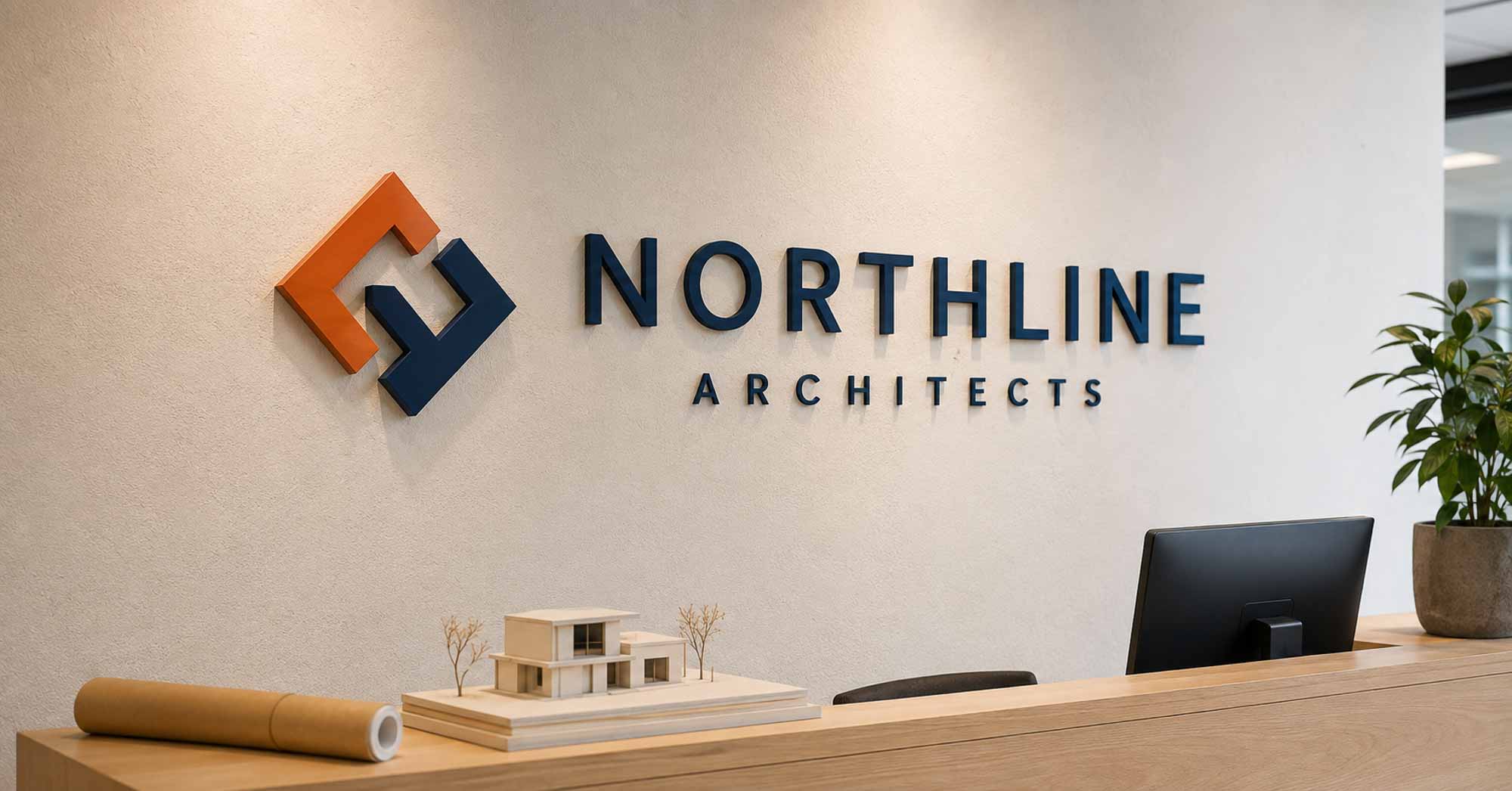
office logo signs are often the first visual element visitors encounter. These signs should combine aesthetic appeal with brand representation to create a strong, professional impression. Acrylic is a popular material for modern office signage, and Wall Gems offers a range of made-to-order
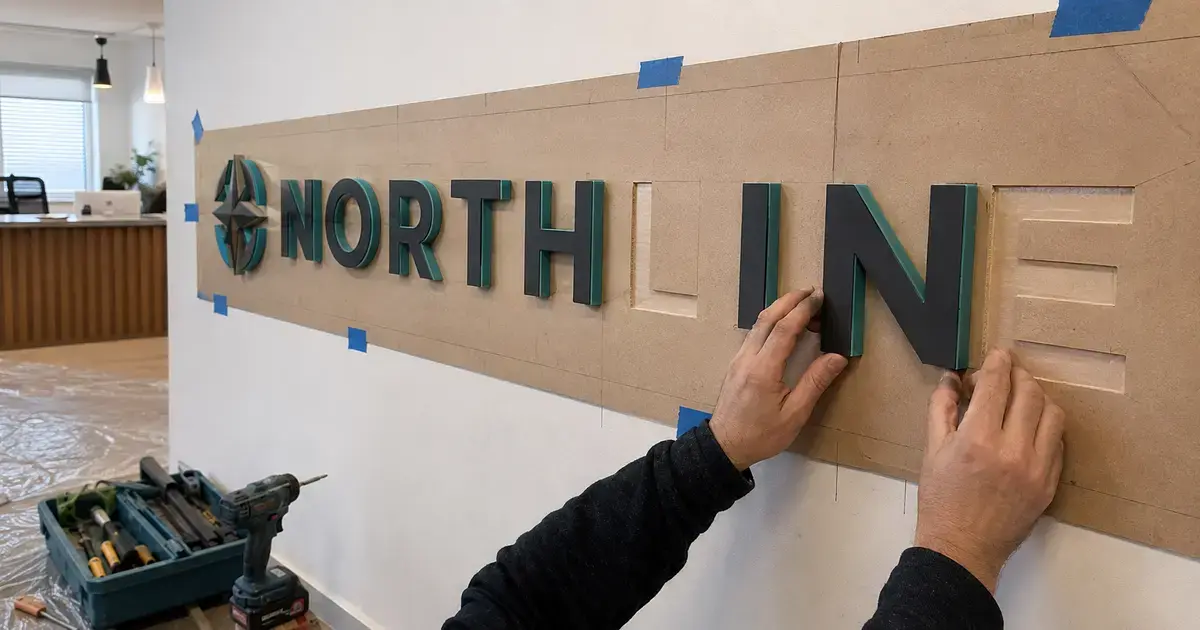
3D logo wall signs with matt or gloss acrylic faces, as well as mirror gold and mirror silver finishes. These signs use a lightweight 3D core with the selected acrylic finish; artwork is UV printed where required. The sides are painted in an appropriate solid colour selected or advised by Wall Gems to complement the design. 3D lettering adds physical depth and natural shadow, helping a logo stand out from the wall.
When planning reception signage, consider the available wall space, the proportions of your logo, the typical viewing distances, and the surrounding furniture or features. This helps ensure the sign is appropriately sized and positioned to be visible without overwhelming the area. Consistency between external business signage and interior reception signs helps create a seamless visitor experience.
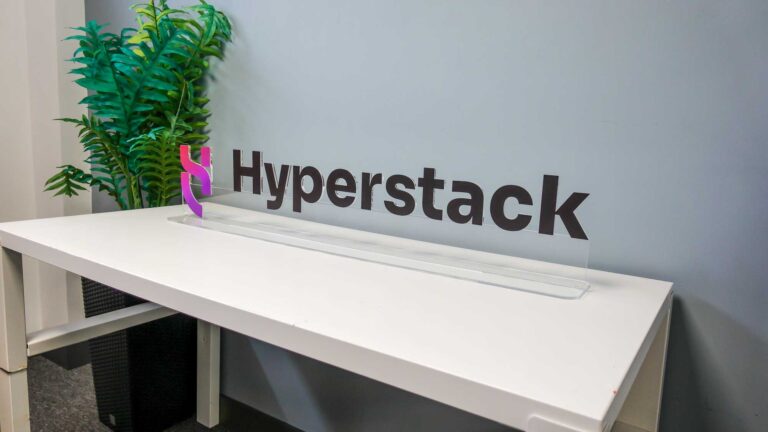
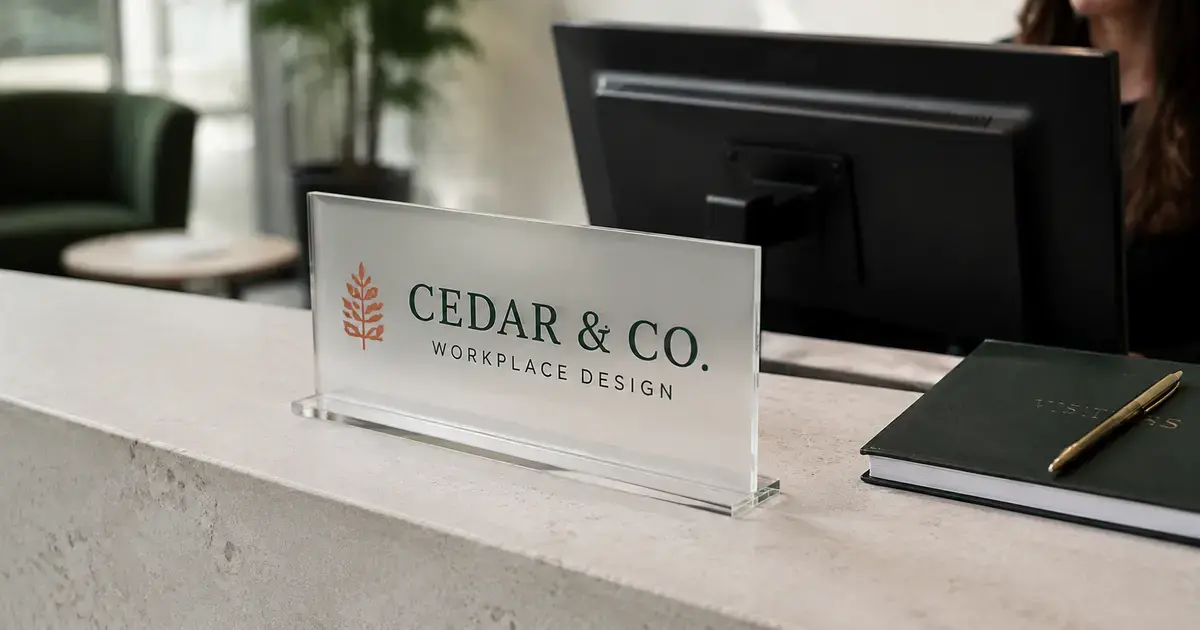
Freestanding acrylic reception desk signs provide an additional branded touchpoint at the reception counter. Custom 3D lettering and branded wall signs can also be used to highlight company values or create feature walls in the reception area.
Wayfinding and Door Signage as Part of the Wider Plan
Wayfinding signs and door signs are essential for helping employees and visitors navigate office spaces efficiently. Effective wayfinding signage supports accessibility for all users. Common wayfinding signs include directional arrows, floor directories, and indicators for lifts, stairs, toilets and breakout areas. Directional signs should use clear arrows and concise text to guide visitors, and clear arrows and room labels help reduce confusion.
Door signage labels meeting rooms, offices, storage and facilities clearly to reduce interruptions and uncertainty. Colour-coded signs help associate areas with specific zones, and using consistent visual elements across all sign types enhances navigation throughout offices.
While Wall Gems does not supply complete wayfinding systems or mandatory health and safety signage, it is important to consider these elements as part of a cohesive signage plan. Planning wayfinding and door signs alongside branded office signage ensures brand consistency and supports a professional office environment.
Using Signage to Reinforce Brand and Company Culture
Office signage offers an opportunity to express company culture beyond logos. Large
3D lettering displaying core values such as “Integrity” or “Innovation” can be installed on feature walls to inspire employees and contribute to the office atmosphere. Branded wall signs can showcase company milestones, locations or mission statements, helping to tell the business story throughout the workspace.
Consistent use of colours, fonts and graphics across all signage reinforces brand identity without overwhelming interiors. Custom signage enhances brand identity in office environments by ensuring every touchpoint reflects the brand guidelines. Wall Gems’ custom wall signs and 3D lettering can be manufactured from suitable supplied artwork to reflect the customer’s logo and brand colours.
Acrylic-Faced Sign Finishes
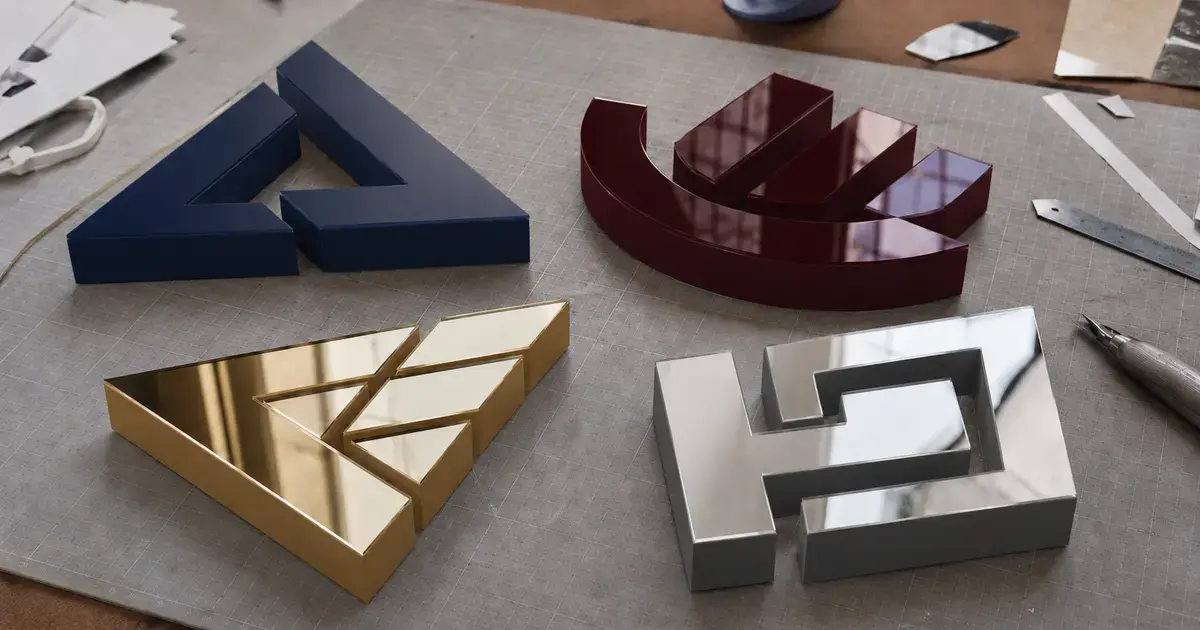
Wall Gems supplies 3D logo wall signs and lettering with four main acrylic-faced finishes, each suited to different office environments and branding styles:
- Matt acrylic: Provides a soft, non-reflective surface that suits modern, open-plan offices with strong lighting.
- Gloss acrylic: Offers a smooth, shiny finish with strong colour impact, ideal for reception areas and client-facing meeting rooms.
- Mirror gold acrylic: Creates a warm, luxurious metallic effect suitable for premium interiors and executive suites.
- Mirror silver acrylic: Features a sleek, reflective chrome-style look that complements contemporary, technology-focused workspaces.
Each sign uses a lightweight 3D core with the selected acrylic finish; artwork is UV printed where required. The sides are painted in a solid colour chosen or advised by Wall Gems to complement the design.
Sizing, Placement and Readability
For office signage to be effective, size and placement must ensure legibility and visual balance. Reception signs and office logo signs should be large enough to be clearly visible from typical viewing points such as the entrance or reception desk. Position signs at a comfortable viewing height and centralise them within the available wall space when possible.
Directional and door signs require appropriately sized text and icons to be read easily from a short distance. Contrast between lettering and background is critical, especially when using branded colours that may be subtle. Avoid glare by considering lighting conditions and window placement, particularly with gloss or mirror finishes.
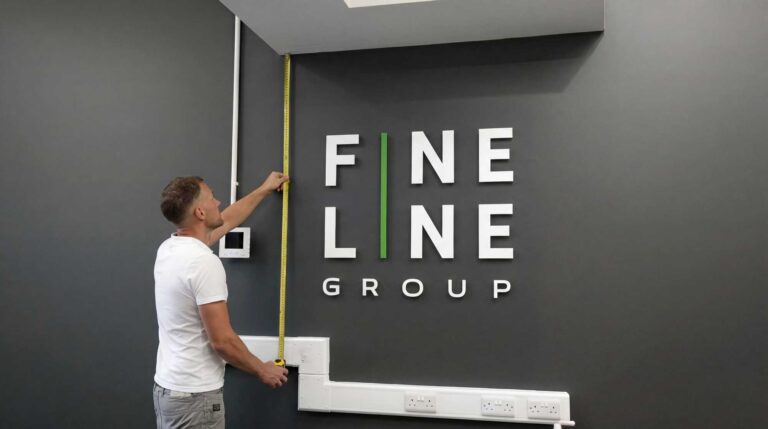
Wall signs should be mounted on suitable surfaces using appropriate fixings. Different wall types such as plasterboard, brick or glass may require varied installation methods. Installation requires careful planning to minimise business disruption, and customers or contractors should assess access requirements before fitting day.
Artwork, Digital Proofing and Installation Planning
Wall Gems manufactures fully customised office signage from artwork supplied by customers. To ensure the best result, customers should provide high-quality logo files, preferably in vector format such as EPS or AI. However, customers who only have other file formats should contact Wall Gems to discuss whether these can be used.
Before production begins, Wall Gems supplies a digital proof for approval. This allows customers to check spelling, alignment, colours and overall design accuracy, reducing the risk of costly errors. The process typically involves consultation, design approval, manufacture and delivery.
Customers generally install the signage themselves or arrange for a contractor to do so. Planning installation in advance, including assessing wall surfaces and access requirements, helps avoid delays. Wall Gems provides installation templates and suitable fixing methods only with certain products, so customers should confirm what is included for their chosen signs.
Frequently Asked Questions
What artwork should I supply?
High-quality vector artwork is preferred, such as EPS or AI files, to ensure accurate reproduction of your brand identity on the signs. If you only have other file formats, please contact Wall Gems to discuss your options.
How do I choose the right size for an office logo sign?
Consider the available wall space, the proportions of your logo, typical viewing distances and the surrounding furniture or features. These factors help determine a size that is visible and balanced within the space. If you require advice, Wall Gems can assist with recommendations based on your specific environment.
Which finish is best for an office reception?
The choice depends on your office style and branding. Matt acrylic offers a modern, understated look ideal for professional workspaces. Gloss acrylic provides a polished, vibrant finish. Mirror gold acrylic adds warmth and luxury for premium settings. Mirror silver acrylic suits sleek, contemporary interiors. Each option creates a finish suited to different commercial environments.
Can office signs be installed without a professional fitter?
Many Wall Gems signs are designed for straightforward installation by customers or their chosen contractors. Wall mounted signs come with appropriate fixings and templates where applicable. However, installation complexity varies with wall type and sign size, so consider professional assistance if needed to achieve a secure and neat result.
Are Wall Gems office signs suitable for outdoor use?
Most Wall Gems office signage products are designed primarily for indoor use. If you require signs for outdoor exposure, please check individual product specifications or contact Wall Gems to confirm suitability.
Choosing the Right Office Signage for Your Workplace
Selecting the right signage for offices involves balancing branding, functionality and aesthetics. Start by assessing your office layout and identifying key locations for reception signs, office logo signs, wayfinding and door signs. Choose materials and finishes that complement your interior design and reflect your company’s professional image.
Wall Gems offers a range of made-to-order 3D acrylic-faced logo wall signs in matt, gloss, mirror gold and mirror silver finishes, alongside freestanding reception desk signs and custom 3D lettering. Each product is crafted from customer artwork with the selected acrylic finish and painted sides or constructed from suitable materials as specified.
To explore your custom options or discuss your office signage needs, browse Wall Gems’
office logo signs and
reception signs online or contact the experienced team for advice about suitable products and finishes.