Types of Business Signage to Consider
3D Wall Signs
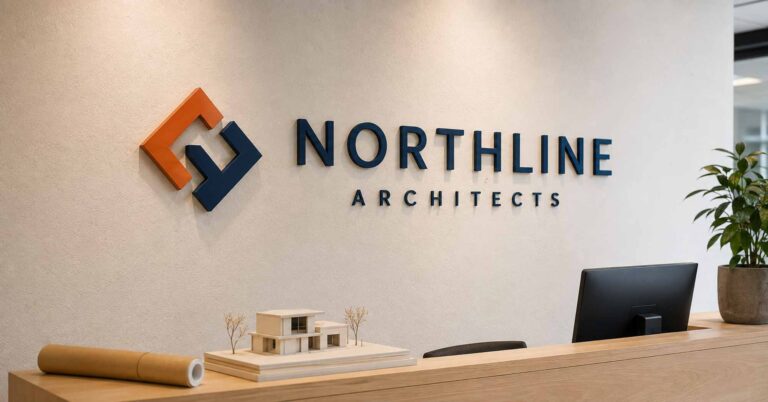
Perfect for reception areas, shopfronts, and internal branding walls, 3D signs add depth and professionalism. Common materials include acrylic, aluminium, or a combination of both for a premium effect.
Window Graphics
Transform unused window space into a marketing tool. Vinyl decals are perfect for displaying:
- Promotions or sales
- Opening hours
- Brand messages
They’re cost-effective, easy to apply, and can be temporary or long-term.
Illuminated Signs
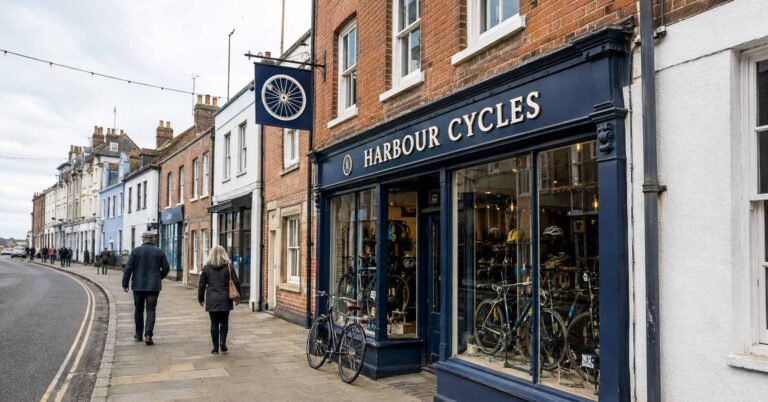
Illuminated or backlit signs ensure your brand is visible 24/7. LED lighting is energy-efficient and suitable for both indoor and outdoor use. Popular styles include:
- Halo-lit lettering
- Lightbox signs
- Edge-lit acrylic panels
Wayfinding and Directional Signs
Essential for larger premises, these signs improve customer experience by guiding visitors around your space. They can be sleek and branded rather than purely functional.
Temporary Event or Promotional Signs
Need signage for an event or seasonal sale? Foamex boards, roller banners, and A-frames are affordable, lightweight, and easy to update or replace.
Design Tips for High-Impact Signage
1. Keep Messaging Clear
Less is more. Stick to:
- Business name
- Logo
- Tagline (if applicable)
- Key contact details or call to action
2. Prioritise Readability
Use high-contrast colour schemes, avoid script fonts that are hard to read from a distance, and stick to 1–2 typefaces for a clean, professional look.
3. Use Quality Images and Graphics
Pixelated or low-res graphics reduce the quality perception of your brand. Ensure all logos and images are high-resolution and suitable for scaling.
4. Include Brand Elements
Ensure that your signage reflects your brand identity through consistent colours, fonts, and styling. This reinforces your brand every time someone passes by.
5. Think About Lighting
If your business operates at night, lighting is essential. LED strips or spotlights can enhance visibility and make your sign pop.
Common Mistakes to Avoid
- Overcrowding the design: Trying to include too much can make your sign unreadable.
- Low-quality materials: These may degrade quickly, especially in outdoor settings.
- Ignoring size guidelines: Too small, and people won’t see it; too large, and you may breach regulations.
- Inconsistent branding: A different logo or font from your website or packaging confuses customers.
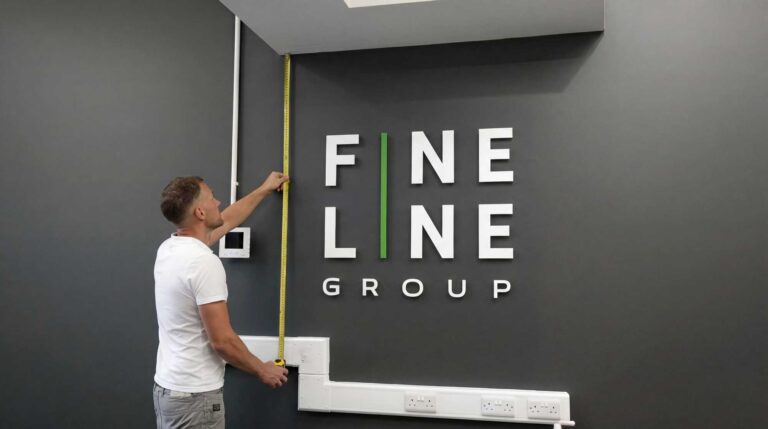
- Bad installation: Poor positioning or fixings can make even the best design look amateur.
Final Thoughts: Your Signage, Your Signature
Your signage is more than just a nameplate—it’s your brand’s signature to the world. From attracting new customers to making your premises easy to navigate, the right signage combines function with visual appeal. Take the time to plan strategically, choose durable and attractive materials, and design for clarity and impact.
Whether you’re investing in a bold illuminated sign or a subtle acrylic logo panel, your signage tells your story. Make sure it’s one worth reading.
Need help choosing the perfect sign for your business?
Our expert team is here to guide you through the process—from design and material selection to installation. Contact us today for a free consultation.