
For the past decade, businesses have been told that everything revolves around algorithms. Social media platforms, search engines, and advertising networks promise visibility through digital optimisation. The idea is simple: understand the algorithm and you will reach your audience.
But in reality, something far more powerful still exists — physical branding. Physical branding plays a powerful role in shaping customer perception, recall, and trust, making it an essential part of any brand strategy.
While algorithms constantly change and online visibility can disappear overnight, physical branding works in the real world where customers live, walk, shop, and interact with businesses every day. In an increasingly digital world, physical branding provides a refreshing contrast that captures attention and stands out to customers.
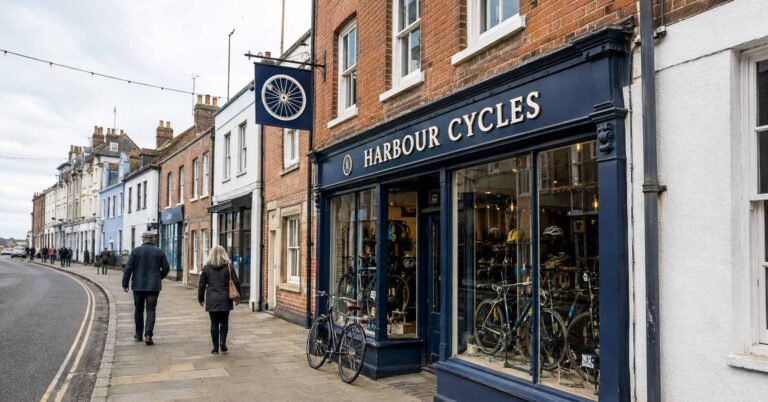
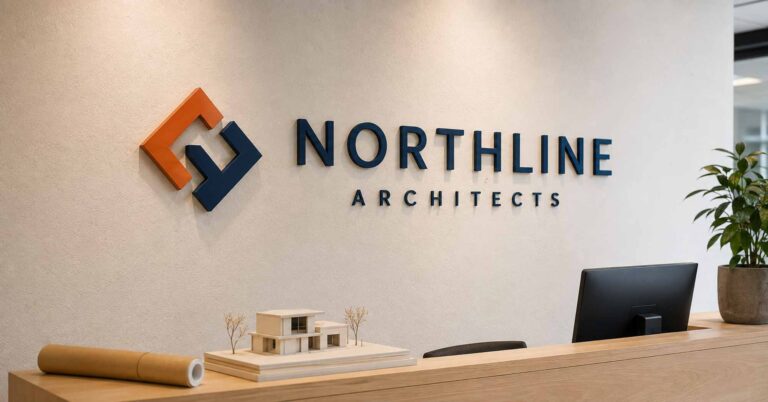
From storefront signs to office logos and interior branding, physical presence continues to shape how people recognise and trust businesses.
In many ways, physical branding does something digital marketing often struggles to achieve: it creates lasting visibility without depending on algorithms. The tangible elements—such as quality, texture, and sensory features—of physical branding engage multiple senses, making the brand experience memorable and distinctive.
One of the biggest challenges with digital marketing is that businesses do not control the platforms they rely on. A small update to an algorithm can dramatically reduce visibility overnight.
Many companies experience this when:
social media reach suddenly drops
search rankings fluctuate
online advertising costs increase
digital platforms change their rules
In contrast, physical branding remains stable. A well-designed business sign does not disappear because of an algorithm update. It continues working day and night, presenting your brand to customers without interruption. The effectiveness of physical branding lies in its ability to consistently maintain visibility and impact over time, regardless of changes in the digital landscape.
A storefront sign, reception logo, or pavement sign delivers visibility in a way that digital channels simply cannot replicate. Investing in high-quality business signage ensures these branded items reinforce the company’s presence among clients, employees, and partners, serving as constant reminders of your brand and values.
Online advertising competes with endless distractions. People scroll quickly, ignore ads, and often forget what they have seen within seconds.
In the physical world, attention works differently.
When someone walks past a shop, enters an office, or visits a café, the environment naturally draws their attention. They notice the surroundings, the layout, the colours, and most importantly, the branding.
This is where business signage becomes powerful. Physical touchpoints, such as signage and displays, are key offline branding methods that attract attention and reinforce your brand presence, and understanding how to choose the right business signage helps ensure they make the strongest possible impact.
A well-placed sign is not just decoration. It becomes part of the environment and naturally attracts attention. Customers see it repeatedly — sometimes dozens of times — building recognition and familiarity.
Unlike digital ads, which can be skipped or hidden, physical branding remains present in the space people move through every day.
Banners and exhibition stands are also effective examples of physical branding; they draw attendees towards your space at events, making your brand stand out in busy environments.
Another major advantage of physical branding is trust.
Customers often feel more confident dealing with businesses that have a clear physical presence. A professional shop front sign, a well-designed office logo, or a carefully branded reception area signals stability and credibility. These elements should reflect core brand values such as quality, professionalism, and reliability, reinforcing your brand identity and building trust with stakeholders.
These visual cues help answer important questions subconsciously:
Is this business established?
Is it professional?
Can it be trusted?
Physical branding communicates those answers instantly. The quality of physical branding elements—such as business cards, signage, uniforms, and packaging—plays a crucial role in reinforcing professionalism, attention to detail, and your company’s commitment to excellence.
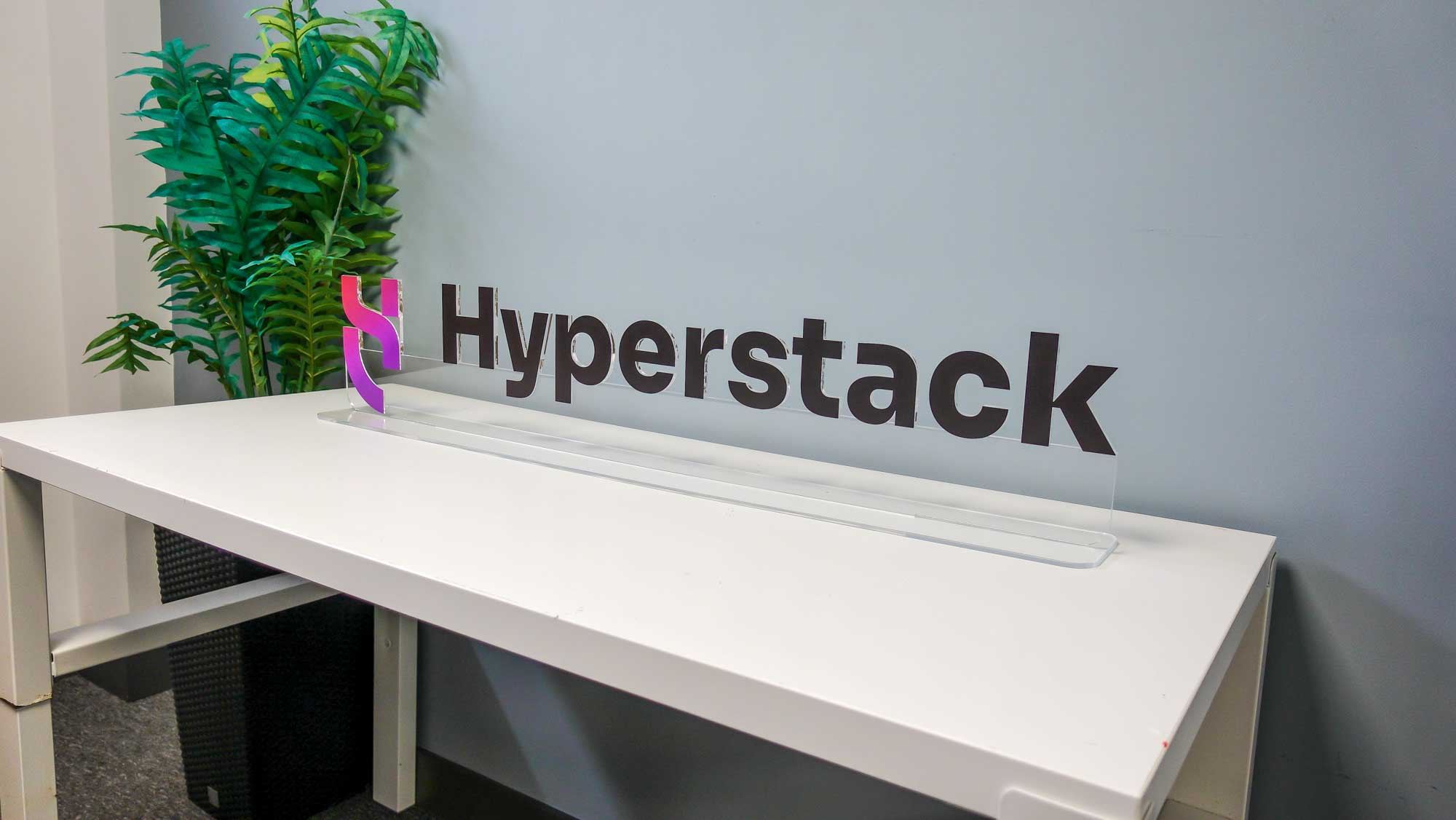
Even simple elements like a clean acrylic logo sign or a well-crafted wooden A-board can strengthen the perception that a business takes pride in its work. Branded uniforms enhance team pride and demonstrate professionalism among employees, projecting a unified brand image. Professional signage also ensures visitors can easily navigate your premises. Branded packaging reinforces professionalism and quality until the product reaches the customer.
One of the reasons physical branding works so well is repetition.
People rarely make decisions after seeing something once. Instead, recognition builds over time. Seeing the same business name or logo repeatedly creates familiarity, and familiarity leads to trust.
A shop sign might be seen:
during a morning commute
while walking through the high street
when visiting nearby businesses
when meeting friends in the area
Each encounter reinforces the brand in the customer’s mind. Repeated exposure to physical branding elements significantly influences consumer behaviour, shaping purchasing decisions and brand preferences.
This kind of passive brand exposure happens naturally through physical branding, without the need for paid advertising or constant digital promotion. Physical branding directly involves consumers, making the brand more tangible and memorable. Promotional products deliver the highest advertising recall of any medium, with 85% of people remembering the name of the brand on a promo item they received.
Digital branding exists on screens. Physical branding exists in real spaces.
This difference matters more than many businesses realise.
When customers walk into a business environment, they experience the brand through multiple senses — the space, lighting, materials, and design all contribute to how the brand feels. Sensory engagement through these physical branding elements fosters emotional connections and trust, making the brand experience more authentic and memorable.
Elements like:
a bold shop front sign
a 3D wall sign that reinforces your brand in a reception area
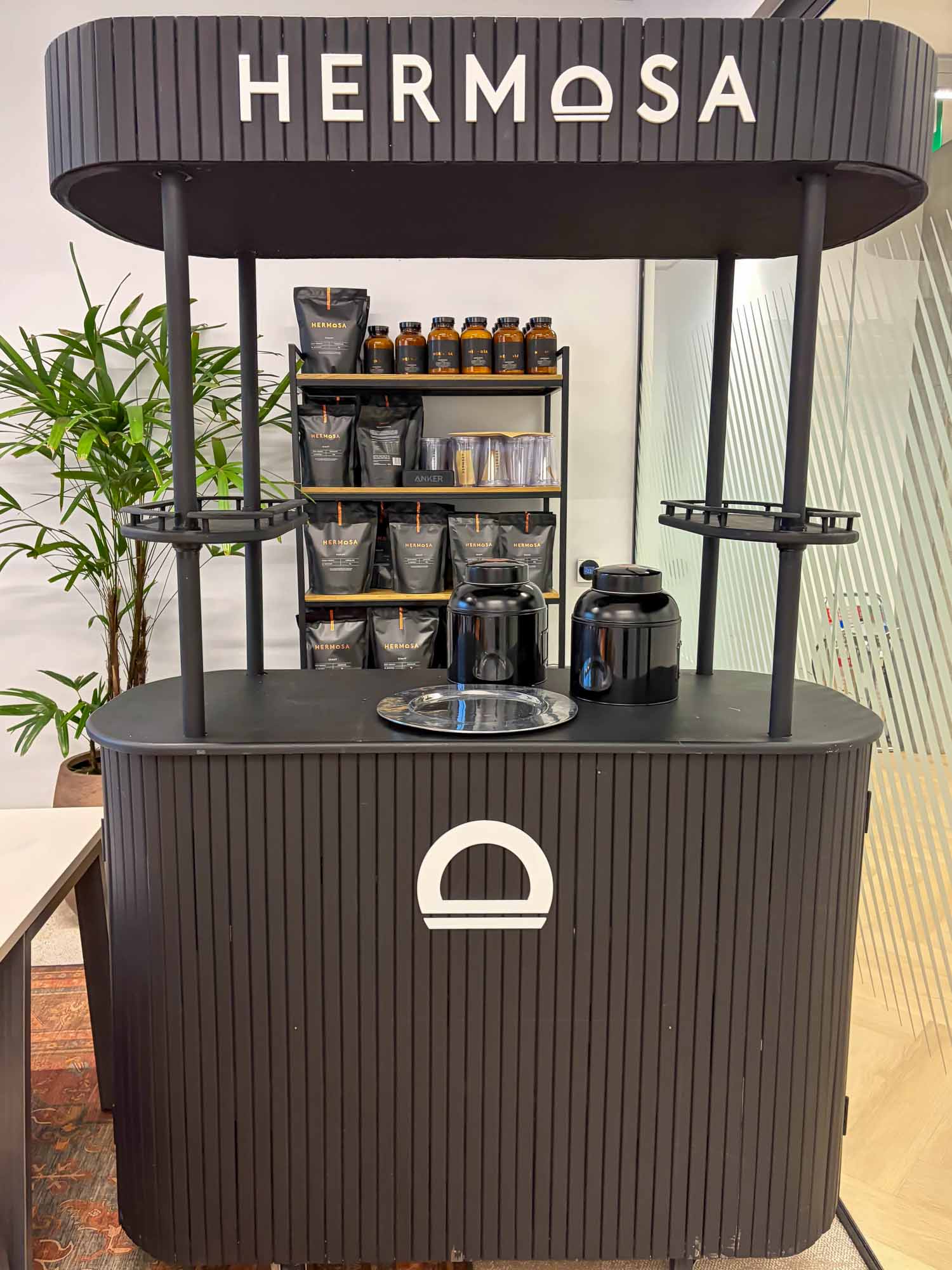
a stylish tray sign above an entrance
a wooden A-board outside a café
all help shape the overall brand experience. These tangible items and sensory experiences make brand interactions more memorable and comfortable for consumers, reinforcing credibility and loyalty. Branded company items offer a unique opportunity to leave a lasting impression on your customers, employees, and business partners.
Instead of simply seeing a logo on a screen, customers become part of the brand environment.
A company’s brand identity is more than just a logo—it’s the sum of every visual and sensory element customers encounter, especially within physical spaces. Interior design plays a crucial role in shaping how customers perceive a brand from the moment they step inside an office, store, or exhibition stand. The use of brand colors, carefully chosen materials, reception signs that impress visitors, and a cohesive aesthetic can significantly affect customer perception, making the brand’s values and personality tangible.
In an increasingly digital world, the physical space a company inhabits becomes an integral part of its brand strategy. Thoughtful interior design not only creates a strong brand identity but also ensures a consistent brand experience across all touchpoints. For example, a reception area that features branded signage, marketing materials, and even subtle digital integrations like QR codes can seamlessly combine digital and physical branding. This approach allows businesses to influence customer perception at every stage, reinforcing brand consistency and making the brand memorable.
By incorporating branded merchandise and marketing materials into the physical environment, companies can further strengthen their identity and values. Whether it’s a branded mug on a desk or a custom wall graphic, these visual elements help create a space that feels uniquely connected to the brand, enhancing both customer experience and employee pride.
Branded merchandise is a powerful tool in any brand’s arsenal, serving as a tangible extension of brand identity and values. From promotional products like apparel and signage to thoughtfully designed product packaging, these physical elements create lasting impressions that digital branding alone can’t achieve. When customers receive or interact with branded merchandise—whether at trade shows, in office spaces, or through everyday use—they’re reminded of the brand’s presence and personality.
Incorporating branded merchandise into your marketing strategy helps create a consistent brand experience and boosts brand recall. For example, a branded tote bag or notebook can travel far beyond the initial point of contact, spreading brand visibility in the real world. These items not only reinforce brand presence but also foster customer loyalty by making customers feel valued and connected to the company.
Branded merchandise also offers smart ways to bridge physical and digital branding. By adding QR codes or digital call-to-actions to promotional products, businesses can drive traffic to exclusive online content, social media pages, or special offers. This integration ensures that every piece of branded merchandise works double duty—delivering maximum impact both offline and online, and supporting a cohesive brand strategy that resonates with customers wherever they are.
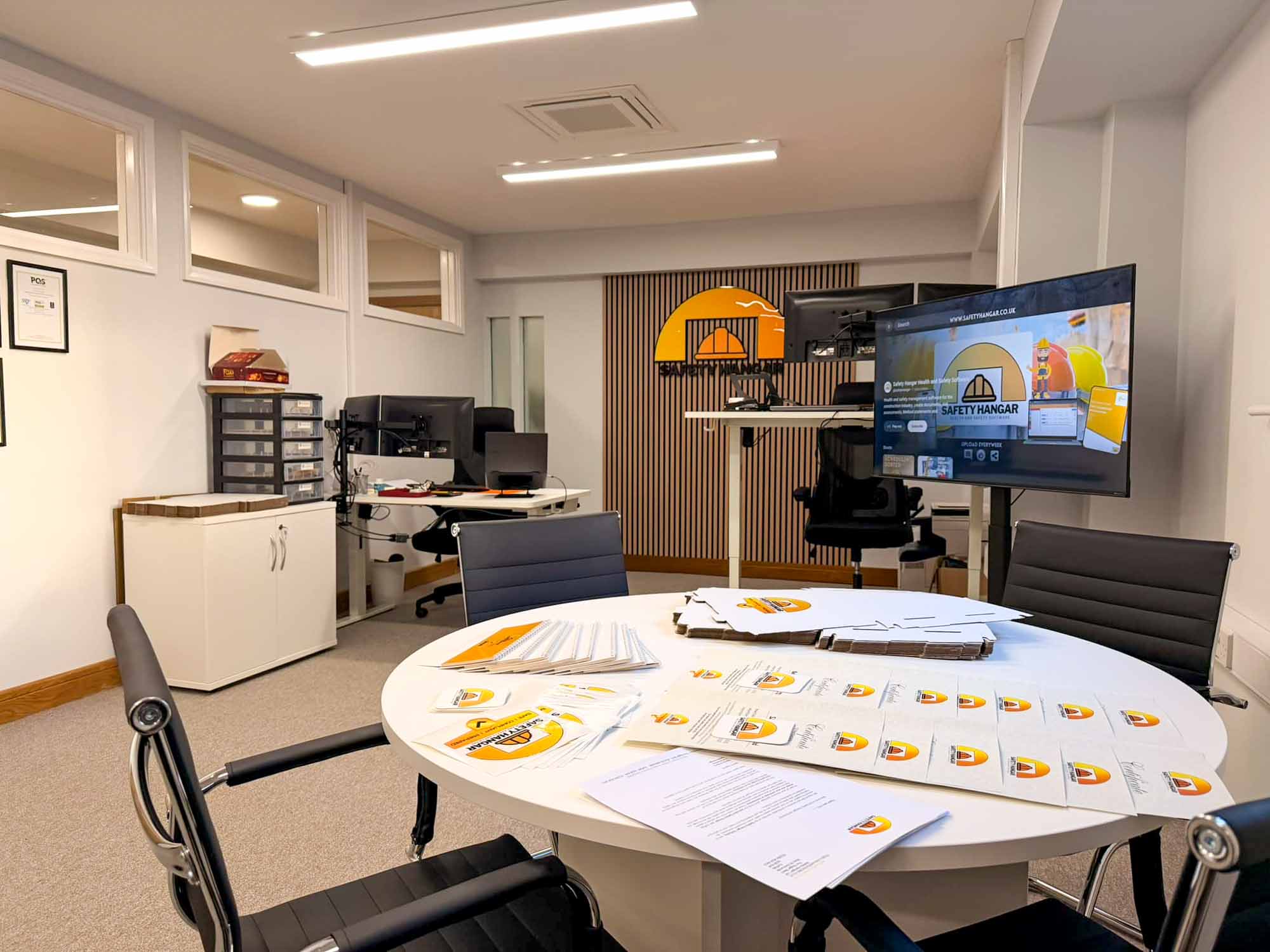
This does not mean digital marketing is unimportant. In fact, online visibility is essential for many businesses. Combining digital and physical branding creates a cohesive brand experience that enhances customer engagement and loyalty.
However, digital marketing becomes far more effective when it is supported by strong physical branding. Integrating physical branding with digital strategies bridges the gap between physical and digital marketing channels, providing a seamless experience for customers. Combining digital and physical branding can also lead to higher conversion rates, as audiences are more likely to engage when they encounter branded messages through multiple channels. Including QR codes on physical materials can drive people to your digital channels, making it easy for them to connect with your brand online. Additionally, the strategic use of branded merchandise can significantly extend a marketing campaign’s reach.
When people search for a business online and later encounter it in the real world, recognition increases dramatically.
For example:
Someone sees a business on Google
Later they walk past the shop and recognise the sign
That recognition reinforces trust
This combination of digital discovery and physical visibility creates a much stronger brand presence. Marketing campaigns that use both digital and physical touchpoints are more effective at building brand recall and engagement. Physical branding helps brands live online and offline, creating a seamless experience for customers.
Instead of relying on algorithms alone, businesses benefit from a balanced approach that includes both digital and real-world branding.
Another advantage of physical branding is longevity.
A well-designed sign can last for years, continuing to represent the business long after the initial investment. During that time it consistently promotes the brand without additional advertising costs. Physical stores also serve as key touchpoints for immersive branding, offering customers direct engagement with your brand in a tangible, real-world setting.
Compared with digital campaigns that require constant spending and optimisation, physical branding often delivers exceptional long-term value. Vehicle branding effectively transforms your fleet into a constant mobile advertisement, increasing local awareness significantly.
A single sign can generate thousands of impressions over time, making it one of the most cost-effective marketing tools available to local businesses.
Despite the growth of digital marketing, the real world remains where customers live their daily lives.
They walk through towns, visit offices, browse shops, and meet friends in cafés. In all of these moments, physical branding plays a role in shaping their perceptions of businesses.
Signs, logos, and visual branding in physical spaces help businesses:
attract attention
build trust
create recognition
strengthen their identity
These benefits do not depend on algorithms, trending platforms, or changing digital strategies.
They come from something far simpler: being visible in the places where customers actually spend their time.
Physical branding continues to play a powerful role in building trust, credibility, and emotional impact for businesses. Every piece of branding boosts engagement, and emotionally engaged consumers spend significantly more on brands they’re loyal to. By maintaining a strong physical presence, brands reinforce their identity and remain relevant in customers’ daily lives.
Algorithms will continue to change. Social platforms will evolve, advertising models will shift, and digital marketing strategies will come and go.
But physical branding remains constant.
A well-designed sign, logo, or branded space continues to represent a business every day, building recognition and trust with customers in the real world.
For businesses that want long-term visibility, the most effective strategy is not choosing between digital marketing and physical branding — it is understanding that physical branding still provides something algorithms cannot replace: a permanent presence in the world around us.
Explore our made-to-order signage options or tell us what you are looking to create.
More practical signage guides and ideas from Wall Gems.

Our captivating wall signs are crafted to reflect the essence of your brand, communicating your message effectively before anyone steps through the door.