

When someone walks past your shop front, you have only a fraction of a second to grab their attention. Decisions about whether to stop, enter, or keep walking happen almost instantly — long before anyone consciously reads the text on your sign. This is where eye-tracking science becomes surprisingly powerful. Eye-tracking provides a foundation for evidence-based signage design, ensuring that every decision is supported by real data and analysis.
Understanding how customers visually scan a space can help you design signs that are noticed more quickly, read more easily, and remembered more deeply. Importantly, in this post, we explore how eye tracking signage can reveal what people really look at first, and how small design decisions can make a big difference in how effective your signage is.
The process of using eye tracking signage is shaping the future of effective visual communication, enabling more reliable and inclusive navigation systems through ongoing innovation and data-driven approaches.
Eye tracking technology has transformed the way businesses approach signage design and store navigation. By capturing precise eye movement data, this technology allows retailers and designers to see exactly where customers focus their attention as they move through a store or past a sign. Eye tracking tests provide valuable insights into which signage elements are most effective, helping businesses understand what truly works in real-world environments. With this data-driven approach, designers can identify areas for improvement, enhance the effectiveness of their signage, and create store layouts that naturally guide customers to key products and promotions. As a result, eye tracking technology is now an essential tool for anyone looking to optimize customer experience and drive better results through smarter design.
Eye tracking technology uses advanced cameras and software to monitor and record the movement of a person’s eyes as they view signs, advertisements, or navigate a store. By analyzing this eye movement data, retailers can gain deep insights into what captures customers’ attention and what goes unnoticed. For example, eye tracking tests can reveal which sign designs are most effective at drawing the eye, and which areas of a store are most likely to be seen by shoppers. This technology works in both physical and digital environments, allowing businesses to understand how customers interact with signage and navigate different spaces. By leveraging these insights, stores can identify the most impactful sign placements and create environments that are both visually engaging and easy to navigate.

Eye-tracking studies analyse natural eye movement: where the gaze lands first, how long it stays there, and which elements draw attention most consistently. These patterns are surprisingly predictable. In busy environments like high streets, retail parks, or office corridors, the human brain filters out most visual information to prevent overload. Your sign must break through this filtering.
When results are thoroughly analyzed and decisions are based on real eye-tracking data, businesses gain confidence in their signage choices.
The real value of eye-tracking research lies in identifying what catches the eye fastest. It is not always what you expect. A subtle change in colour contrast, depth, or placement can increase visibility dramatically — sometimes by 50% or more in visual tests.
For businesses, this means clearer communication, stronger first impressions, and better footfall. Ongoing testing helps ensure that signage changes lead to improved visibility and engagement.
Eye-tracking data reveals several consistent behaviours. These behaviours were identified through studies involving participants from various demographics. These apply across age groups, genders, and even different countries.
Humans are wired to notice contrast. This is why white on black, yellow on dark blue, or black on light wood stands out instantly.
For signage, this means:
High-contrast text is read first
Low-contrast signs are often ignored altogether
Matte materials reduce glare and improve readability
Illuminated letters pull the gaze even in daytime
Eye tracking can generate a heat map or picture showing where attention is drawn first, helping to visualize which elements of a sign are most visually salient.
This is one of the reasons your illuminated acrylic signs or bold tray signs grab attention so effectively. Analyzing the image of customer gaze patterns helps optimize sign design for maximum impact.
Research shows that most people’s line of sight falls between 1.4 m and 1.8 m above the ground while walking. Anything significantly above or below this range receives less attention, especially in motion.
This explains why:
A-boards at pavement level are so effective
Window graphics at eye height get more views
Shop front signage placed too high often underperforms
Eye-tracking signage makes it clear: the easiest thing to read is the thing placed where people naturally look.
Even tiny movement — reflections, shadows, or illuminated glow — is picked up immediately. The brain is trained to detect motion for survival.
This is why signs with:
light shimmer
soft back-glow
reflective 3D edges
shadow depth
feel far more noticeable. A flat printed sign cannot compete with these natural visual cues.
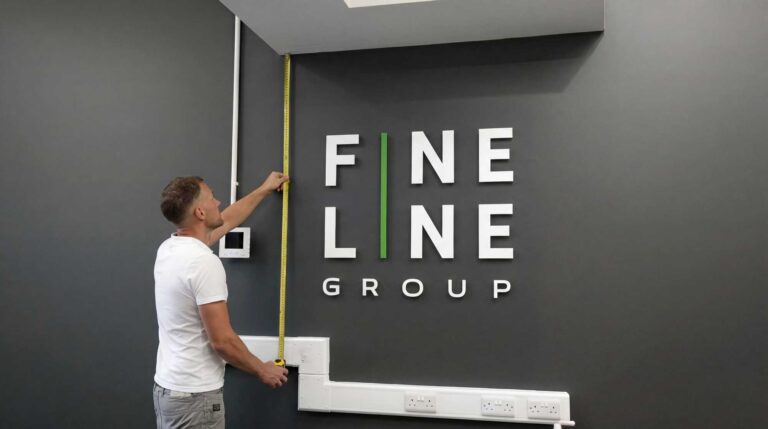
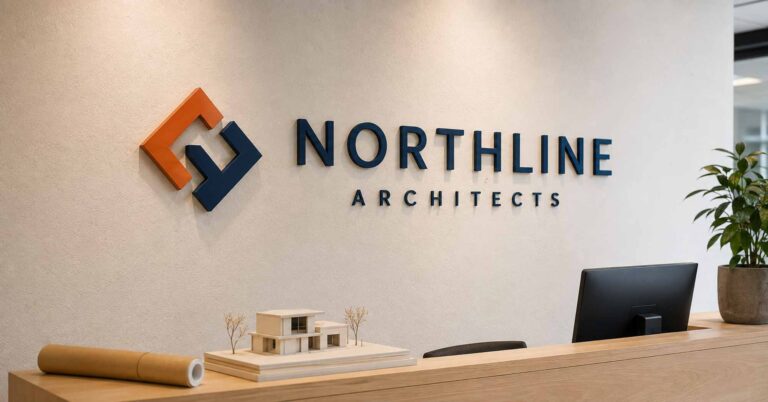
Your 3D wall logo signs benefit here: they catch highlights and shadows that shift throughout the day, creating subtle movement the eye follows.
Video analysis of eye movements can reveal how dynamic elements in signage attract attention. For instance, Osaka Metro ADERA used Tobii solutions to gain insights into the visibility of different ads around their stations, demonstrating how eye tracking can provide actionable data for optimizing advertising strategies in public spaces.
In countries that read left-to-right, eye-tracking studies consistently show the gaze begins from the left side of a visual field. This affects signage layout more than many designers realise.
It means:
Your most important word should be left-aligned
Icons or brand marks placed on the left get immediate recognition
Long text centred is harder to read on the move
A simple layout shift can drastically improve visibility. Adjusting the layout can correct common visibility issues and improve sign effectiveness.
We cannot help it — the brain is tuned to notice faces, icons, and simple shapes. This is why:
symbols are processed faster than words
circular elements are easier to recognise from distance
logos with simple silhouettes stick in memory
Signs with recognisable shapes or strong iconography often outperform text-heavy signs in eye-tracking studies.
Keeping the mind’s natural tendencies in mind helps create more effective signage.

The task of optimizing signage is guided by eye tracking insights, which inform our approach to improving user navigation.
When you combine the science above, several clear design principles emerge.
Busy signs slow down reading and reduce retention. Simple designs align with the brain’s natural visual processes, making it easier for viewers to quickly interpret and remember the message. Clean layouts with one or two key messages perform best.
If you take only one thing away from eye-tracking signage research, this is it. No contrast = no visibility.
Raised lettering, acrylic fronts, and 3D elements capture light and shadow, making them far more visually attractive than flat signs.
A beautifully designed sign placed too high, too low, or in a cluttered zone will underperform every time.
Good illumination significantly enhances visibility — even in daylight — due to eye sensitivity to brightness and glow.
Eye tracking studies have shown that different sign types vary in their effectiveness at attracting attention.
Here’s what research suggests about common sign types:
Rated the highest for immediate attention because they sit directly in the natural gaze range.
Well-placed A-boards can also help customers find the correct aisles more easily, improving overall store navigation.
Rank extremely high because depth creates contrast and shadow detail.
Highly effective due to strong structure, bold edges, and lighting options.
Great for emotional and aesthetic impact — eye-tracking shows people look longer at natural textures.
Crisp and clear, especially when paired with strong colour contrast.
Once eye movement data has been collected through eye tracking tests, the next step is to analyze this information to uncover patterns in customer behavior. By studying how customers’ eyes move across different sign designs and store layouts, retailers can identify which signs are most likely to be noticed and which areas attract the most attention. By analyzing heat maps and gaze plots, designers can identify eye-catching elements and adjust layout for maximum impact. This data-driven approach allows businesses to test various hypotheses—such as whether a new sign design is more effective than an old one—and validate their design decisions with real evidence. Understanding these patterns helps retailers make informed choices about sign placement, design, and overall store layout, ensuring that every element works together to capture attention and guide customers through the space effectively.

Creating an effective store layout is about more than just aesthetics—it’s about understanding how customers move, what catches their eye, and how to make navigation intuitive. By using eye tracking technology and analyzing the resulting data, retailers can design store layouts that are both visually appealing and easy for customers to navigate. For example, eye tracking tests can pinpoint which areas of the store naturally draw attention and which signs are most effective at guiding customers to key products or promotions. With this information, retailers can strategically place signs, create clear pathways, and use visual elements to highlight important areas. The result is a store environment that not only looks great but also enhances the shopping experience and drives sales by making it easier for customers to find what they need.
The more you understand how people visually scan your shop front or office exterior, the easier it becomes to design signage that performs better in real-world conditions. Eye tracking can identify distractions that prevent customers from noticing navigation signs, allowing designers to refine their approach and ensure that key information is not overlooked.
Eye-tracking insights help you:
place signs where people will actually see them
pick colours that maximise readability
simplify layouts for faster processing
improve your brand recognition through visibility
Eye tracking can also measure the level of customer interest in your signage and the presence of effective signage in your business environment.
In short: your signage becomes not just attractive, but scientifically optimised.
Effective signage captures attention quickly — but memorable signage holds that attention long enough to trigger emotion, curiosity, or recognition.
Eye-tracking shows that:
warm materials hold gaze longer
illuminated pieces create emotional impact
depth gives a sense of quality
clean shapes and icons improve recall
This is why blending science with storytelling is so powerful.
Case studies have shown how specific sign designs have worked to create memorable customer experiences.
Eye-tracking research clearly shows that people do not see signs the way we assume. They scan fast, focus on contrast, ignore clutter, and notice depth, light, and movement instinctively.
Traditional paper-based advertising in transit environments faces significant limitations, as relying solely on passenger numbers and travel data does not accurately measure ad visibility or effectiveness. Eye tracking signage overcomes these challenges by providing precise insights into how advertising is actually seen and engaged with, moving beyond the constraints of paper signage. Digital signage has been increasingly installed in public transport systems, enhancing advertising effectiveness by offering dynamic and visually engaging content that captures attention more effectively than static displays.
By using eye tracking signage principles, you can design signs that work with natural human behaviour — not against it. This leads to better visibility, stronger first impressions, and more customers walking through your door.
Whether it is a 3D logo, an A-board, a tray sign, or an acrylic wall sign, every design choice becomes far more effective when guided by how the human eye truly works.
Explore our made-to-order signage options or tell us what you are looking to create.
More practical signage guides and ideas from Wall Gems.

Our captivating wall signs are crafted to reflect the essence of your brand, communicating your message effectively before anyone steps through the door.