

Signage has always been an essential element of business branding, but in 2025, it is evolving faster than ever. Advances in technology, shifts in consumer expectations, and growing environmental awareness are reshaping how businesses approach their signs. Whether you run a retail store, a corporate office, or a hospitality venue, staying ahead of signage trends can give you a competitive edge.
In this article, we explore the latest design concepts, innovative materials, and cutting-edge technologies that will define signage in 2025.
The digital signage industry has undergone remarkable transformation over the past few years, emerging as a game changer for businesses across the globe. Fueled by rapid advancements in digital technology and a growing appetite for interactive displays, the global digital signage market is on a strong upward trajectory. Industry analysts project a robust compound annual growth rate (CAGR) of 8.1% from 2024 to 2030, reflecting the increasing demand for digital signage solutions in various industries.
Retailers, hospitality venues, and educational institutions are among the key players driving this surge, leveraging digital signage to enhance communication and create engaging customer experiences. The adoption of innovative digital signage systems—such as immersive video walls, interactive kiosks, and augmented reality displays—has redefined how brands connect with their audiences. As the signage industry continues to evolve, businesses are investing in digital displays that offer real-time updates, dynamic content, and seamless integration with other digital technologies. This evolution is not just a trend; it’s setting new standards for communication and engagement in the digital age.
A broader range of industries are now harnessing the power of digital signage trends to transform the way they interact with customers and streamline operations. In the retail sector, digital signs are creating immersive brand experiences, guiding shoppers through stores with dynamic displays and targeted messaging. Hospitality businesses are using digital signage to provide guests with personalized services, from interactive check-in kiosks to real-time event updates and wayfinding.
Education is another sector embracing the digital signage landscape, with schools and universities deploying digital displays to foster interactive learning environments and keep students informed. Corporate offices are also integrating digital signage to enhance internal communication, display company news, and welcome visitors with branded content. As digital signage becomes more versatile and accessible, companies across various industries are discovering new opportunities to engage audiences, reinforce their brand, and deliver services more efficiently.
Minimalism continues to dominate, but it’s becoming bolder and more purposeful in 2025.
Clean typography with strong contrasts is replacing overly decorative fonts.
High-impact colour blocking ensures signage can be read quickly from a distance.
Whitespace is being used strategically to draw attention to key elements.
Businesses are discovering that less really can be more — especially in environments where customers are constantly bombarded with visual information.
Environmental responsibility is no longer optional; it’s a customer expectation.
Reclaimed wood and recycled acrylics are becoming popular in both indoor and outdoor signs.
Bamboo composites and biodegradable plastics are entering the market for short-term signage solutions.
The process of manufacturing signage is increasingly focused on sustainable and transparent methods, ensuring production aligns with eco-friendly values.
UV-resistant eco-friendly paints and finishes are ensuring durability without harming the planet.
Sustainable signage isn’t just about materials — it’s a way to communicate brand values and appeal to eco-conscious customers.
Three-dimensional signage is moving beyond simple depth. In 2025, we’re seeing:
Layered materials combining acrylic, metal, and wood for a textured, premium look.
Raised logos with shadow effects for high-end office interiors.
Large-format 3D lettering with integrated LED lighting for maximum visibility.
3D business signs don’t just look striking; they create a tactile, memorable impression.
Illuminated signage has been around for decades, but the technology is evolving fast.
Smart LEDs that adjust brightness based on time of day or ambient light conditions.
Edge-lit acrylic panels for a sleek, modern glow.
RGB colour-changing systems for events or seasonal campaigns.
LED lighting is now more energy-efficient, longer-lasting, and versatile than ever — perfect for businesses that want to stand out after dark.
The digital revolution in signage is accelerating:
High-resolution digital screens are replacing static posters in retail windows.
Touchscreen wayfinding systems are becoming standard in large buildings and shopping centres.
QR codes integrated into signs make it easy for customers to scan and access more information instantly.
Digital screens engage consumers by providing interactive and personalized experiences that capture attention and promote brand engagement.
This trend is blurring the lines between traditional signage and interactive customer experiences.
QR codes have become a cornerstone of digital signage solutions, enabling seamless integration between physical signs and digital experiences. By incorporating QR codes into digital signs, businesses can bridge the gap between offline and online communication, offering customers instant access to additional information, exclusive promotions, or direct links to social media channels. This technology empowers customers to interact with brands on their own terms, using their mobile devices to explore products, read reviews, or even complete purchases on the spot.
In retail environments, QR codes on digital signage help brands deliver targeted content to their desired audience, driving engagement and boosting conversion rates. The ability to update QR code content in real time ensures that businesses can stay ahead of the competition and respond quickly to changing market demands. As companies continue to embrace omnichannel communication strategies, the integration of QR codes with digital signage is proving to be a powerful tool for connecting with customers and enhancing the overall brand experience.
Thanks to advancements in manufacturing, personalised signage is now affordable even for small businesses.
Names, dates, or special offers can be printed or engraved in small batches.
Digital printing technology allows for photographic detail and vibrant colour gradients.
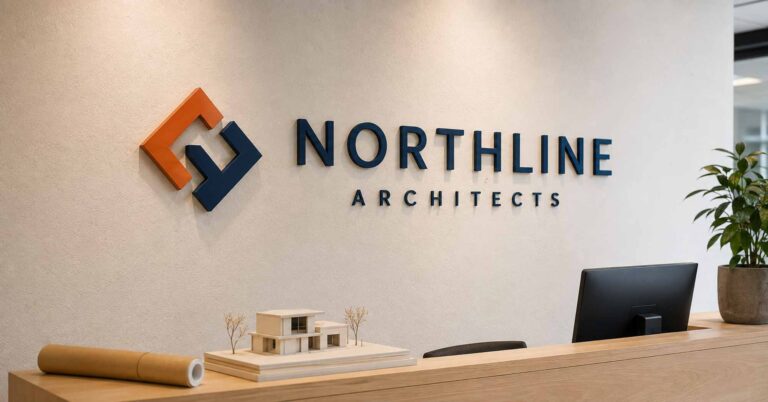
Custom wall logos are being designed to reflect unique brand identities rather than relying on generic templates.
Personalisation increases customer connection and makes your signage feel unique. Tailoring signage content based on audience demographics can further enhance engagement and effectiveness.
Materials are becoming more than just static backdrops:
Photochromic inks that change colour based on sunlight.
Hydrophobic coatings that repel water and dirt, reducing maintenance needs.
Light-reactive finishes that subtly glow or shift tone in different environments.
These innovations are making signage not only more functional but also more dynamic.
A key 2025 trend is the seamless integration of offline and online branding.
Signs now often feature social media handles and hashtags to encourage engagement.
Augmented reality (AR) triggers allow customers to use their phones to see 3D animations related to the brand.
Dynamic QR codes link to updated promotions, menus, or event calendars.
With internet connectivity, businesses can manage digital signage content remotely and provide real-time updates, making blended branding strategies more effective.
This hybrid approach ensures your signage remains relevant in an increasingly connected world.
Businesses that change their promotions regularly are adopting modular signs.
Slide-in panels allow quick swapping of information.
Magnetic lettering systems make it easy to update displays without replacing the entire sign.
Portable sign stands are growing in popularity for pop-up shops and events.
Modular signage reduces waste, saves money, and keeps messaging fresh.
Wayfinding signage is shifting from purely functional to customer-friendly:
Icon-based navigation for accessibility and multilingual audiences.
Clear colour-coding in large venues like hospitals or campuses.
Tactile and braille elements to ensure inclusivity.
In environments like hospitals and campuses, people rely on wayfinding signage on a daily basis to navigate complex spaces efficiently.
Businesses are recognising that signage is not just about branding — it’s also about creating a better visitor experience.
While some may wonder if the latest digital signage trends are just a trend, the evidence points to lasting change in the signage industry. The widespread adoption of digital signage solutions is being driven by both technological innovation and the growing demand for interactive experiences that truly engage audiences. Businesses are recognizing the long-term value of digital displays—not only for their ability to deliver dynamic content, but also for their positive environmental impact, such as reducing waste and lowering energy consumption compared to traditional signage.
Emerging technologies like artificial intelligence and virtual reality are further expanding the capabilities of digital signage, enabling personalized, data-driven content and immersive experiences that were once unimaginable. As the digital signage industry continues to evolve, companies that embrace the latest trends and invest in cutting-edge solutions will be best positioned to connect with their target audience, enhance communication, and drive business growth. In short, digital signage is far more than just a trend—it’s a fundamental shift in how brands and businesses communicate in a digital world.
The signage industry in 2025 is a blend of creativity, sustainability, and technological innovation, with new technologies acting as a driving force behind the latest signage trends. From eco-friendly materials to smart LED lighting and interactive displays, businesses have more tools than ever to capture attention and communicate effectively.
If you’re considering updating your business signs this year, take inspiration from these trends — and choose designs that not only stand out but also reflect your brand’s personality and values.
Explore our made-to-order signage options or tell us what you are looking to create.
More practical signage guides and ideas from Wall Gems.

Our captivating wall signs are crafted to reflect the essence of your brand, communicating your message effectively before anyone steps through the door.