

A business sign does more than show your name. It greets, guides, and expresses what your brand stands for — often before you have spoken a single word. This is where storytelling signage comes in. It is the art of turning a simple sign into something that connects with people emotionally, creating lasting impressions that go beyond the surface. Effective storytelling signage captures attention and draws people in, making your message stand out in a crowded environment.
We remember stories because they make us feel something. The same is true for great design. A well-crafted sign can tell your brand’s story through its shape, colour, texture, and tone — quietly sharing who you are and what you value. The power of storytelling signage lies in its ability to influence emotions and create memorable experiences that resonate with your audience.
When people see your sign, they are not just looking for information; they are forming opinions. The typeface, the materials, and even the way the sign is mounted all send subtle messages about your business.
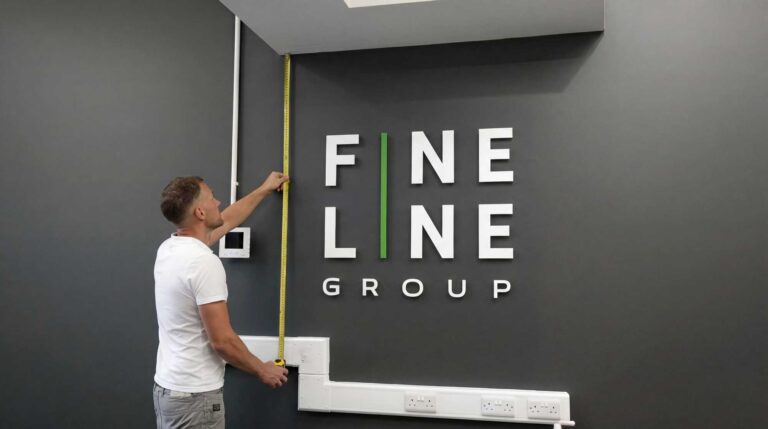
For example, a wooden wall sign with engraved lettering can feel warm, personal, and handmade — perfect for cafés, boutiques, or family-run shops. A glossy 3D acrylic logo might tell a story of precision, innovation, and modernity — ideal for tech firms or design studios.
Every design choice contributes to your business identity. That is what makes storytelling signage so powerful: it turns everyday details into a visual narrative your customers can relate to.
The best stories are the ones that make people feel something. In signage, emotion is built through design elements that work together — colour, typography, texture, light, and proportion.
A deep blue tray sign might convey trust and confidence. A soft, natural wood tone suggests authenticity and comfort. Even lighting plays a role: subtle backlighting creates sophistication, while bold illumination shouts energy and confidence.
When all these details align with your brand’s values, they create emotional harmony. These design elements engage customers by capturing their attention and encouraging them to interact with your brand, fostering a deeper connection. Customers may not consciously analyse why they like your sign, but they feel it — and that feeling influences whether they step inside.

We are wired to remember stories far more than facts. A sign that evokes a story will stick in someone’s mind long after they have passed it. Storytelling signage guides visitors on a journey through your brand’s narrative, creating a seamless and engaging experience that deepens their connection to your business.
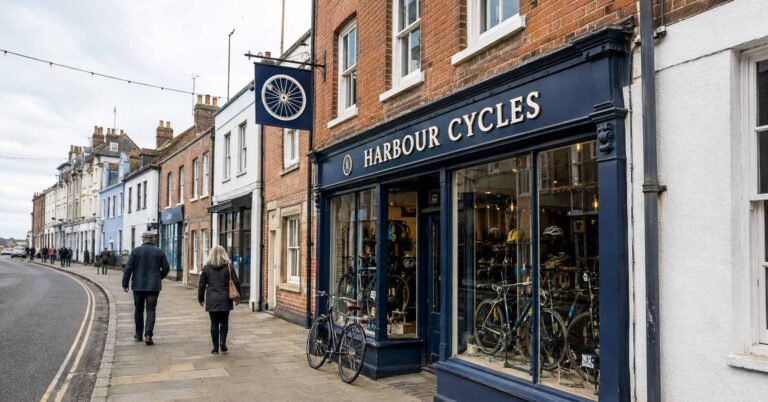
Think about a distinctive 3D logo sign on a busy high street. People might not recall every shop they walk past, but the one with a sign that “feels” right — through colour, depth, or a clever design — is the one they will remember later.
This is why consistent storytelling through signage matters. Your sign is not just a logo; it is a piece of memory architecture. When it connects emotionally, it anchors your business in people’s minds.
Every great story starts with knowing who you’re telling it to—and signage is no different. Whether you’re designing interpretation signage for a historical site, a conservation project, or a bustling commercial space, understanding your audience and brand is the foundation for creating signs that truly resonate.
Interpretation signage is more than just information on a board; it’s a carefully crafted narrative that invites visitors to explore, learn, and connect with a site’s history, culture, or natural environment. To achieve this, it’s crucial to consider who your visitors are: their age, interests, backgrounds, and what they hope to experience. Are they families seeking adventure, history buffs eager for detail, or casual passersby looking for inspiration? Inclusive interpretation signage considers diverse needs of the audience, including language, reading age, and accessibility features. By defining your audience, you can design signage that evokes emotions, sparks curiosity, and creates a memorable visitor experience.
Equally important is a clear understanding of your brand’s mission, values, and story. Whether you’re a museum aiming to educate, a conservation area hoping to inspire stewardship, or a business looking to reinforce your brand identity, your signage should align with your message and tone. Well-designed storytelling signage with multilingual options and audio descriptions enhances accessibility and inclusivity for diverse audiences. This alignment ensures that every element—from materials and images to language and layout—reinforces your brand and contributes to a cohesive narrative.
Engaging signage uses high-quality materials and vivid imagery to bring stories to life, whether for outdoor or indoor use. Durable finishes withstand the elements, while thoughtful design elements—like context-rich text, creative layouts, and accessible navigation—make information easy to absorb and enjoyable to explore. In a historical site, interpretive signage might use archival photos and compelling storytelling to transport visitors back in time. Examples of storytelling signage include personal details at the Anne Frank House which evoke emotional impact, and interactive displays at the Museo Reina Sofía that allow deep engagement with art. In a commercial setting, signage can highlight your brand’s history, showcase products, and evoke emotions that inspire loyalty and engagement.
Collaboration with interpretation signage experts can help you craft signage that educates, inspires, and connects. By weaving together research, creative design, and a deep understanding of your audience, you create signage that not only tells your story but also achieves your goals—whether that’s increasing visitor engagement, supporting conservation efforts, or building a memorable brand experience. Augmented and virtual reality technologies enhance the visitor experience by creating immersive storytelling opportunities, offering new ways to engage with your audience.
Ultimately, the key to powerful signage is understanding the people you want to reach and the story you want to tell. When your signage is designed with your audience, brand, and environment in mind, it becomes more than a sign—it becomes a tool that educates, inspires, and connects, leaving a lasting impression on everyone who walks by.
Every material carries meaning. Choosing the right one helps tell the right story.
Acrylic – clean, modern, and precise. Great for brands that value clarity, innovation, and professionalism.
Wood – warm, natural, and grounded. Perfect for small shops, cafés, and creative studios that want a handmade or sustainable image.
Metal or aluminium composite – sleek and durable, often associated with strength, reliability, and confidence.
UV-printed finishes – creative, detailed, and customisable. Perfect for businesses with expressive personalities and vibrant branding.
When planning your signage, consider the length of each sign to ensure it is visible and fits comfortably within your space. It’s also important to test materials for durability and weather resistance, especially for outdoor signage, to make sure your signs stand the test of time and remain effective in various environmental conditions.
When you select materials with intent, you are effectively writing your brand story in texture and tone.

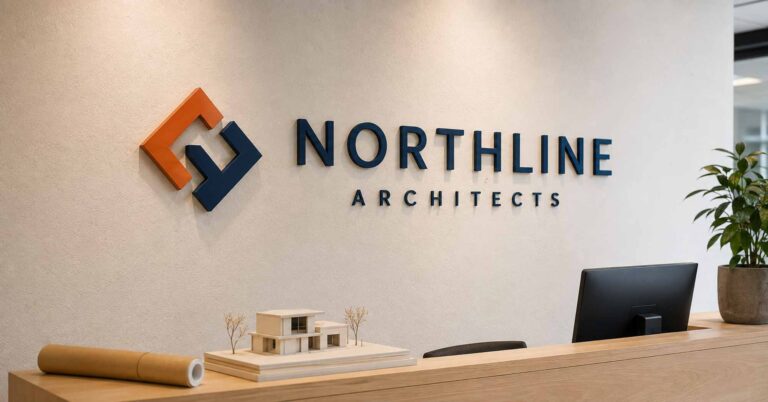
Light can completely transform how a sign feels. The glow of an illuminated tray sign outside a modern shop creates atmosphere, visibility, and confidence. In contrast, a gently lit 3D wall logo inside a quiet office reception can feel calm and elegant.
Depth also adds to your story. Flat printed panels can look clean and minimal, while 3D lettering adds sophistication and presence. Even the shadows cast by your sign throughout the day create subtle visual interest — moments of storytelling in motion. Incorporating hanging signs or elements can further enhance this effect, adding surprise and enriching the storytelling aspect of your space.
A great story is consistent from start to finish. The same goes for brand identity. When your exterior, interior, and online presence all tell the same story visually, people trust it more.
Your signage should feel like an extension of your logo, website, and tone of voice. To achieve this, it’s important to define your brand’s story and message clearly so that every sign communicates a consistent identity. For example, if your brand uses calm, natural colours online, it makes sense for your physical signage to reflect that same palette.
When everything aligns, your business feels professional, confident, and cohesive — and customers feel more comfortable choosing you.
Across Plymouth, Devon, and beyond, many small businesses are already using signage to tell their stories.
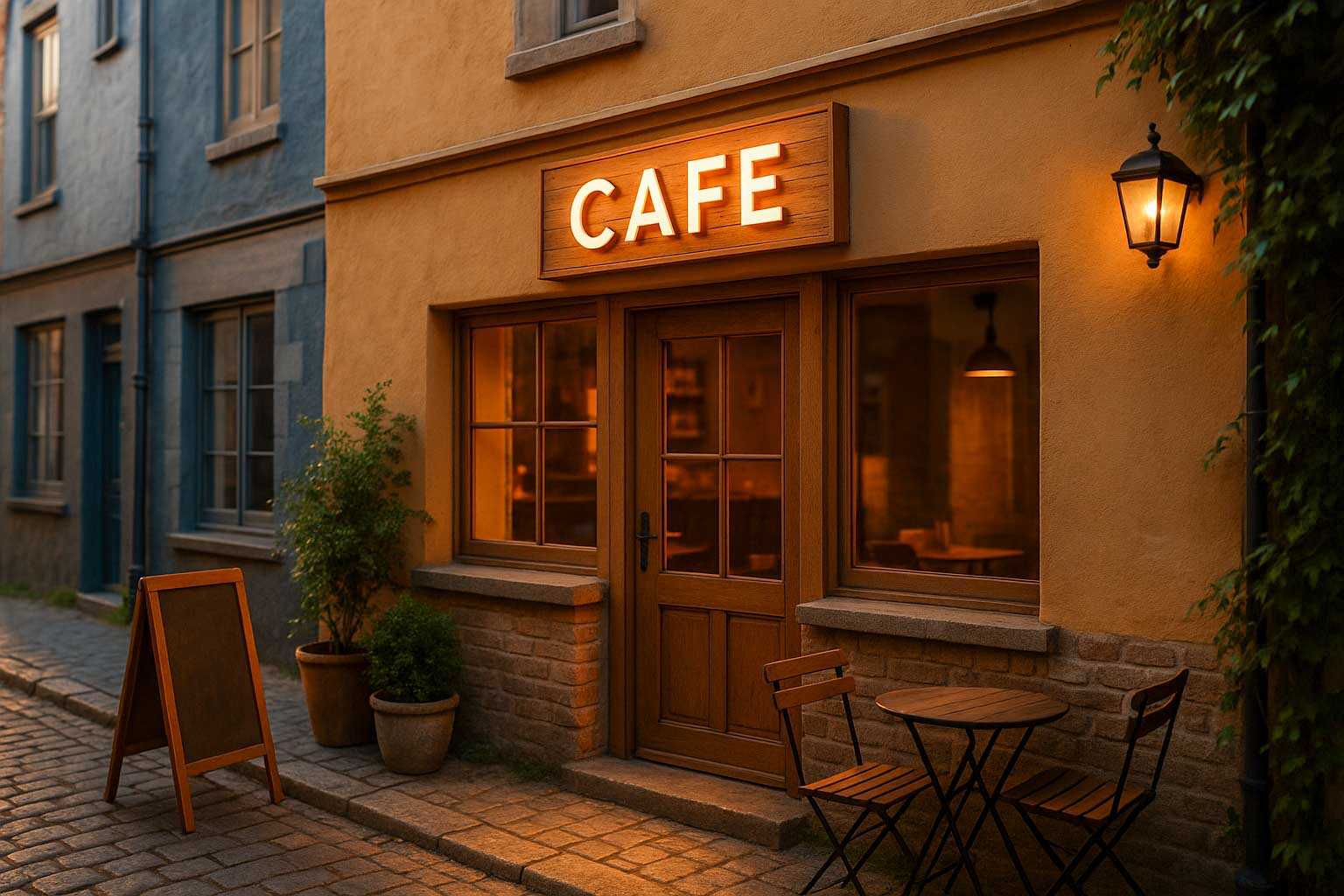
A local café might use a wooden A-board with a simple engraved logo to reflect a love for natural materials and slow living. An office might choose a 3D acrylic wall logo to showcase precision and reliability. A creative studio might mix printed graphics and tray signs to create energy and excitement.
Each design is different, but the principle is the same: the sign becomes part of the brand story — a physical representation of what makes that business unique.
Commercial signage, such as custom LED neon signs, can be a powerful tool for conveying brand narratives and creating memorable customer experiences.
A truly great sign does not exist in isolation. It is part of a wider experience. The texture you feel when you run your hand across a wooden panel, the soft reflection of light from polished acrylic, or the glow of lettering in the evening — all of these small details add depth to the story your business tells.
This kind of emotional design makes people pause, look closer, and connect. By immersing visitors in thoughtfully designed spaces, you can evoke a sense of wonder that deepens the storytelling experience and encourages meaningful engagement. That moment of connection is where memory begins.
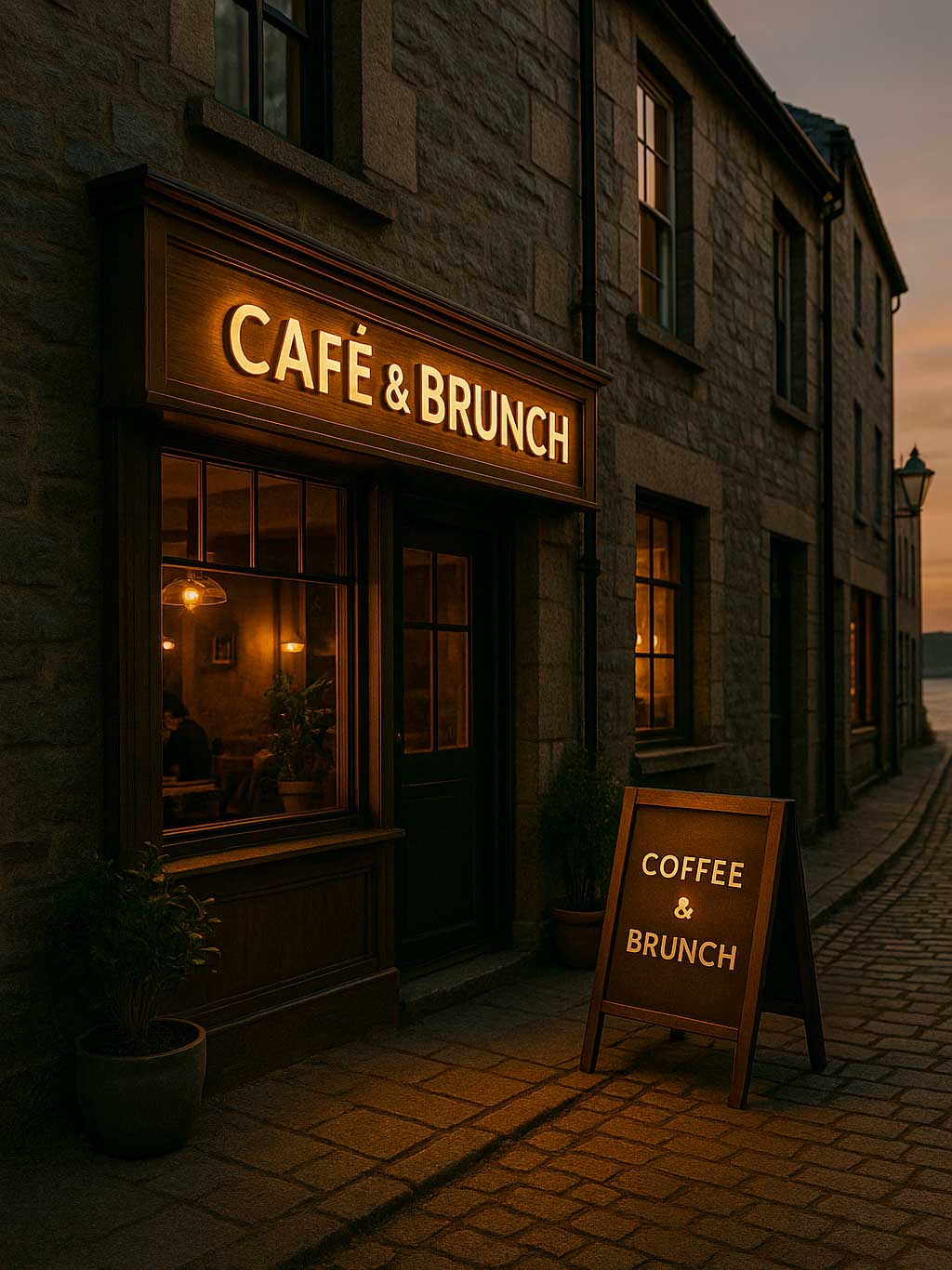
There is also a deeper story behind every locally made sign. Choosing to work with a local sign company means your story is crafted by people who understand your community, your audience, and your surroundings.
Signs made in Plymouth or across Devon often reflect the textures and tones of the South West — natural wood, coastal colours, and materials that age beautifully. That subtle connection to place adds authenticity, grounding your brand in something real.
Signage can celebrate the heritage of a location, telling stories that reflect its unique qualities and significance. It can evoke the presence of those who have walked these spaces before, creating a sense of connection and continuity for every visitor.
Whether it is a simple A-board on the pavement or a bold 3D logo on a reception wall, the best signs do more than identify — they communicate, evoke, and connect.
Storytelling signage is about emotion, not just decoration. It is about giving shape and texture to your brand’s character.
To create truly impactful signage, it is valuable to collaborate with professionals such as copywriters and interpretation designers. Storytelling signage projects can be tailored for both outdoor and indoor use, ensuring durability and versatility in any environment. In outdoor settings, signage can connect visitors to nature, enhancing experiences in parks and natural spaces. Interactive elements in storytelling signage can include QR codes, touchscreens, and augmented reality features that shift the experience from passive viewing to active participation. These signs can also encourage reading and engagement, especially in playful learning environments.
When design, material, and meaning work together, your sign becomes part of your customer’s story too — something they remember, share, and trust.
Explore our made-to-order signage options or tell us what you are looking to create.
More practical signage guides and ideas from Wall Gems.

Our captivating wall signs are crafted to reflect the essence of your brand, communicating your message effectively before anyone steps through the door.